 CultureCulture
The financial world just got a jolt. On Tuesday, May 19, 2026, the yield on the 30-year U.S. Treasury bond surged to a staggering 5.198%, a level not seen since the summer of 2007. This spike brings a stark reminder of the economic pressures that preceded the global financial crisis, signaling a significant moment for financial markets and the wallets of everyday Americans.
This dramatic leap in the 30-year Treasury yield is a critical indicator, reaching a point that has analysts and economists taking notice. Clocking in at 5.198%, it represents the highest mark for this long-term government bond in nearly two decades. The last time investors saw such elevated rates was back in July 2007, a period now etched in history as the uncomfortable prelude to one of the most severe economic downturns in recent memory. The implications of such a rise are far-reaching, setting the stage for increased borrowing costs across the board for both the government and private entities.
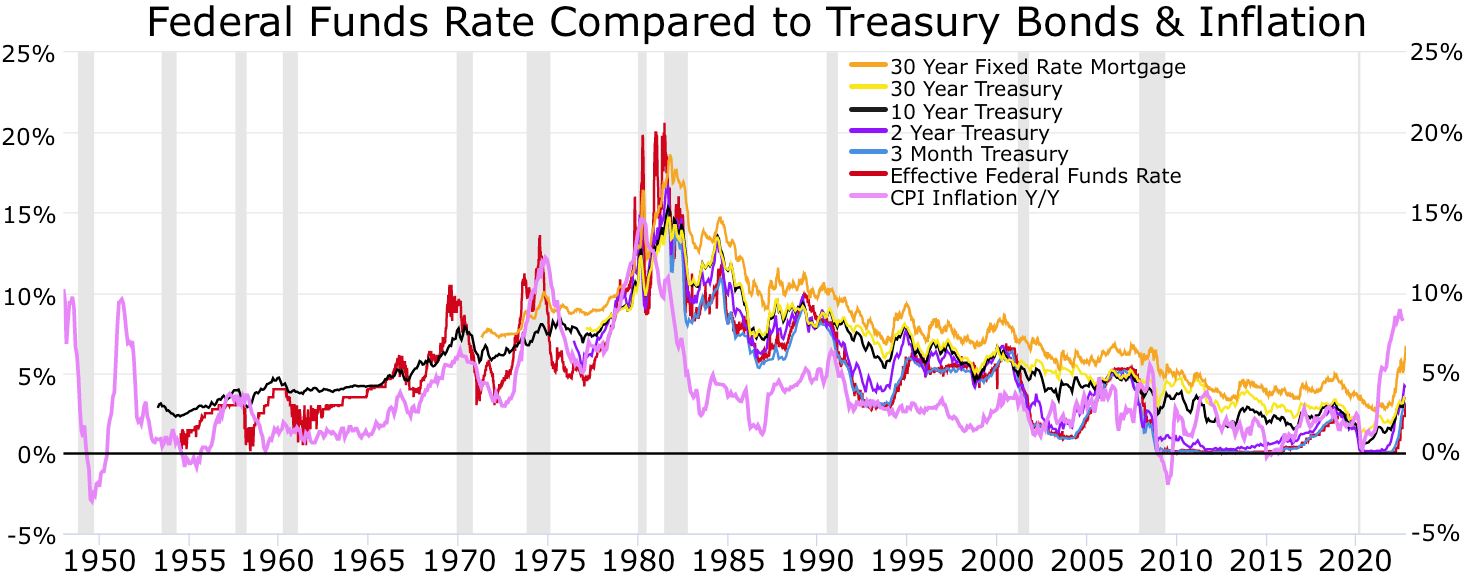
The ripple effect of this market movement wasn't limited to the longest-dated bonds alone. The 10-year Treasury, widely considered a key benchmark for consumer lending rates across the nation, also saw a notable climb. Its yield rose to 4.687%, marking its highest level since January 2025. This particular bond yield directly influences the rates on crucial financial products like mortgages, auto loans, and even various forms of credit card debt, making its movement keenly felt by millions of households planning major purchases or managing existing balances. In parallel, the 2-year Treasury bond, which market watchers use as a precise proxy for the Federal Reserve’s near-term interest rate expectations, increased to 4.127%. This specific yield offers immediate insight into how investors anticipate the central bank will manage monetary policy and short-term rates in the immediate future, hinting at potential shifts in economic strategy.
Understanding these significant movements requires a foundational look at what Treasury bonds fundamentally represent within the global financial architecture. These instruments are essentially loans made by investors to the U.S. government, and their yields reflect the interest rate the government pays to borrow money for its operations and expenditures. Because they are backed by the full faith and credit of the U.S. government, Treasury yields are considered foundational to the entire financial system, acting as a risk-free baseline for other interest rates. When Treasury yields rise, it generally signifies that the cost of borrowing for virtually everyone else – from massive corporations launching new projects to individual consumers taking out a car loan – also tends to increase, creating a cascading effect throughout the economy.
The comparison to July 2007 is particularly potent and resonates with a sense of historical significance. That specific era was characterized by a complex interplay of economic factors, including a rapidly booming housing market fueled by lax lending standards, readily available credit, and a growing, albeit often ignored, sense of underlying economic instability. These conditions eventually culminated in the devastating 2008 financial crisis, a period that reshaped global economic policies and consumer trust. While current economic conditions certainly present different nuances and challenges, the return to pre-crisis yield levels for long-term bonds naturally sparks serious conversations among economists and policymakers about potential economic headwinds, the sustainability of current growth trajectories, and the resilience of financial markets. This historical context serves to underscore the gravity and potential implications of the recent surge in bond yields.
For millions of everyday borrowers across the nation, the impact of these rising yields is both direct and tangibly felt. A sustained higher 10-year Treasury yield, for instance, translates almost immediately to more expensive mortgages. This could significantly push the dream of homeownership further out of financial reach for a substantial segment of the population, especially first-time buyers or those looking to upgrade in competitive markets. Beyond housing, crucial consumer financing such as auto loans and personal loans will also likely see their interest rates tick upwards, directly increasing the burden of monthly payments for new financing. Even existing variable-rate credit card debt could become more costly as rates adjust, further squeezing household budgets that are already contending with other economic pressures like inflation and rising living expenses.
Retirement savers and active investors are also watching these developments with considerable interest. While higher bond yields can, on one hand, present an opportunity for better returns on newly purchased bond investments, they can simultaneously cause the market value of existing bonds to fall. This dynamic can significantly impact investment portfolios, especially those heavily weighted towards fixed-income assets, potentially eroding capital for those who need to sell before maturity. More broadly, a persistent surge in government borrowing costs can signal deeper concerns within the market regarding persistent inflation, the trajectory of future economic growth, or even the sheer volume and sustainability of government debt.
The ramifications extend beyond individual finances to the broader economy. Businesses, regardless of their size, face higher costs when seeking capital for expansion, innovation, or even day-to-day operations. This increased cost of borrowing can act as a brake on investment and expansion plans, potentially leading to slower job growth and a reduction in overall economic activity. Furthermore, a government paying more to service its debt can face budgetary constraints, potentially influencing public spending and fiscal policy decisions, which in turn affect various sectors of the economy.
This significant and rapid shift in Treasury yields forces a critical reevaluation of economic expectations and forecasts across all sectors. It highlights the ongoing and delicate dance between inflation concerns, the Federal Reserve’s monetary policy decisions, and the overarching stability of the global economic environment. For individuals, this period necessitates a renewed and vigilant focus on personal finance, ranging from a careful evaluation of existing debt obligations to a thoughtful reconsideration of investment strategies in a changing interest rate landscape. The path forward will undoubtedly involve continued scrutiny of incoming economic data and close attention to central bank actions, as the full ripple effects of these elevated yields continue to unfold across the nation’s intricate financial landscape.