 CultureCulture
Atlanta residents faced a sudden and dangerous deluge on Wednesday, May 20, 2026, as powerful thunderstorms unleashed flash floods across the metropolitan area. The severe weather quickly overwhelmed the city's infrastructure, closing major roadways and trapping vehicles, including an autonomous car, in rapidly rising waters, turning a routine evening commute into a perilous journey.
The National Weather Service office in Peachtree City issued a flash flood warning for eastern Fulton County and west central DeKalb County, which went into effect at 5:16 p.m. EDT and was scheduled to remain active until 11:15 p.m. EDT. This critical alert encompassed a broad swathe of the city, covering numerous communities including Atlanta, Midtown, Grant Park-Zoo Atlanta, Druid Hills, North Druid Hills, Piedmont Park, Atlantic Station, Sweet Auburn, Virginia-Highland, Little Five Points, West End, Turner Field, Bankhead, LaVista, and Kirkwood, signaling the extensive reach of the impending threat.
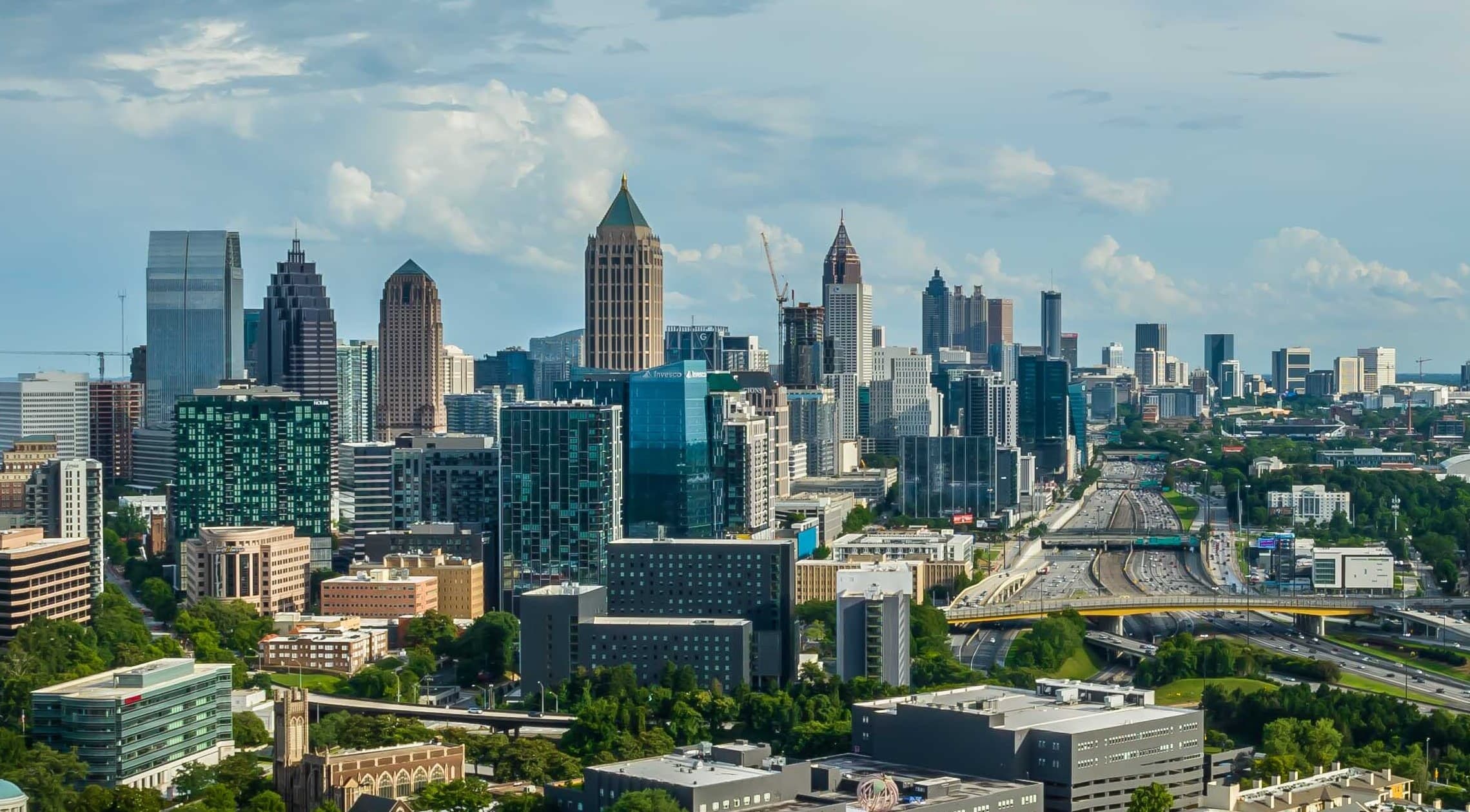
Initial radar tracking confirmed between 1 and 1.5 inches of rainfall across affected areas by the time the warning was issued, with forecasters indicating that conditions were expected to worsen rapidly. By 5:48 p.m., thunderstorms had already dumped between 2 and 3 inches of rain across the city, and some areas recorded even higher amounts. FOX 5 meteorologist Jonathan Stacey noted that the storm cells were largely stationary, lingering directly over the same neighborhoods and generating significant lightning activity while pouring rain in heavy, sustained sheets. Rainfall rates were projected to reach 1 to 2 inches within any given 30-minute window, a pace capable of swiftly overwhelming urban drainage infrastructure. Radar modeling suggested that if these stationary cells persisted for a full hour, localized accumulations could potentially reach up to 6 inches in some spots.
The severe weather caused major traffic disruptions throughout the metro area during the busy evening commute. Authorities moved to close all lanes of the Downtown Connector, a critical interstate linking I-75 and I-85 through the city's heart. All lanes of I-75/I-85 were shut down just before 5:30 p.m. at J.W. Dobbs Avenue due to interstate flooding. Flooding was also reported along the I-75/I-85 corridor near downtown, specifically at Baker Street, and impacted areas near Freedom Parkway, Peachtree Street, Pine Street exits, and Northside Drive. The Downtown Connector reopened just before 7 p.m., although drivers were still advised to avoid the area due to "heavy congestion" as emergency responders worked tirelessly to clear lanes. The WSB Radio Traffic Team observed cars attempting to drive through quickly rising standing water and becoming stranded, with Atlanta authorities reporting up to four cars stuck in waist-deep water at one point. One motorist stranded on top of their vehicle had to be rescued and brought to safety. HERO crews were actively unclogging drains, which helped the water begin to recede.
A notable incident involved an autonomous Waymo vehicle becoming trapped in rising floodwaters. The unoccupied Waymo vehicle was captured on video stranded near the intersection of North Avenue and Piedmont Avenue, and also near Central Park, unable to navigate the flooded roadway. Atlanta Fire Rescue confirmed that two vehicles, including a Waymo, encountered standing water on North Avenue, but no occupants were found in either vehicle, meaning no rescues were needed by firefighters. A spokesperson for Waymo stated that safety is the company's top priority and that the vehicle encountered a flooded roadway during an intense and unexpected period of rainfall. The spokesperson added that the vehicle stopped after entering the flooded area and was later recovered and removed, with no injuries reported. Waymo temporarily paused its service in Atlanta following the incident, stating that operations would resume once conditions were deemed safe, and noted that the rapid onset of the storm created conditions before the National Weather Service had issued any flash flood warning, watch, or advisory.

NWS senior meteorologist Sid King explained that the combination of this intense rainfall with Atlanta's highly urbanized area, characterized by extensive pavement and poor runoff, directed water into low-lying areas, exacerbating the flood risk. This event underscores Atlanta's ongoing vulnerability to flash flooding, a persistent challenge in a metropolitan environment where rapid development often clashes with natural water management. Beyond the city center, heavy rain activity also spread across the northern stretch of the perimeter highway, affecting communities such as Sandy Springs and Dunwoody. Hall County and Carroll County were also caught in the wide band of storm activity.
Atlanta's stormwater management infrastructure, including its combined sewer system, has been described as antiquated and often struggles to cope with intense, short-duration rainfall events. This systemic issue, coupled with the increasing frequency and intensity of extreme precipitation events linked to climate change, creates a recurring problem for the rapidly growing city. The Wednesday floods highlighted how quickly urban landscapes can become overwhelmed when natural drainage is impeded and infrastructure is pushed to its limits.
Atlanta police spokespersons indicated that the agency had not been notified of any injuries and that officers were responding "as needed to assist with traffic control." Channel 2 Action News Chief Meteorologist Brad Nitz reported that the water receded as crews cleared drains on the interstate and the heavy rain in the area stopped. Nitz commented during a 6 p.m. newscast, "Things are improving. We're not going to see this get worse before it gets better, but it's not going to get better right away." Meteorologist Christina Edwards of 95.5 WSB explained, "That large amount of rainfall in a short amount of time — landing on hard surfaces like asphalt and sidewalks — will accumulate quickly and lead to flash flood conditions," providing a clear picture of the immediate hydrological challenges.
This severe weather incident during a critical commute serves as a significant case study for urban resilience, particularly in sprawling metropolises like Atlanta. The disruption to major transportation arteries and the stranding of multiple vehicles, including a cutting-edge autonomous vehicle, underscore the profound impact that even relatively short bursts of extreme weather can have on daily life and advanced technology operations. It pushes the conversation around urban planning, infrastructure upgrades, and climate adaptation to the forefront, as cities grapple with protecting their citizens and economies from increasingly unpredictable natural events.
Forecasters indicated that heavy rain would persist for several hours Wednesday night, with continued unsettled weather, including scattered thunderstorms, expected to stretch across the region for several days, specifically from Thursday through Saturday. Residents were urged to monitor local alerts and plan accordingly, as the threat of localized flooding remained. Drivers were strongly advised to avoid flooded roads, with the National Weather Service reiterating its critical warning: "Turn around, don't drown when encountering flooded roads. Most flood deaths occur in vehicles," a stark reminder of the immediate and life-threatening dangers posed by floodwaters.