 Culture
Beef Shortage Hits Hard, Steakhouses Face Closures
The sizzle is fading for America’s steakhouses and barbecue joints. A historic cattle shortage, combined with relentless consumer demand, has pushed wholesale beef prices to unprecedented levels, forcing restaurant owners across the nation to make tough choices: dramatically raise prices or close their doors for good. The crisis, which has been building for years, reached a critical point throughout 2025 and continues to devastate the industry into 2026.
By January 2026, the U.S. cattle herd had shrunk to its smallest size in 75 years, numbering just 86.2 million head, a figure not seen since 1951. The 2025 calf crop was also estimated to be the smallest since 1941, signaling a deep contraction in supply. This scarcity has translated directly to the consumer’s plate and wallet. Ground beef, a staple for many households, hit a record $6.90 per pound by April 2026, marking a 19% increase from the year prior, according to data from the Federal Reserve Bank of St. Louis. Steak prices also saw a significant jump, spiking 17% to $13.02 per pound in a single year.

The impact on the restaurant sector has been immediate and severe. In May 2026, several well-known Texas barbecue establishments, including Brett's BBQ Shop, Kirby's BBQ, Sabar BBQ, Wright on Taco & BBQ, and Sweetie Pie's Ribeyes, reportedly ceased operations. Even those remaining open are struggling. Houston’s Roegels Barbecue Co., for instance, was paying $5.56 per pound for wholesale brisket and subsequently raised its menu price by 6% to $35 per pound. Burnt Bean Co. in Seguin, Texas, pushed brisket prices to $38 per pound and considered limiting sales to just one day a week to manage costs. The crisis isn't confined to local joints either; 801 Chophouse, a chain with locations from Virginia to Colorado, filed for Chapter 11 bankruptcy in April 2026, affecting eight of its restaurants.
The roots of this profound shortage trace back to a cyclical decline in the U.S. cattle herd that began in 2019, with the beef cow herd specifically decreasing for seven consecutive years. Persistent drought conditions, which started around 2020 in major cattle-producing regions, forced many ranchers to sell off cattle prematurely due to a lack of adequate pasture and water. Blizzards on the Great Plains further contributed to cattle deaths, while ranchers also faced reduced access to public lands for grazing. These environmental pressures were compounded by pandemic-related supply chain disruptions, rising feed costs, and general inflationary increases in input expenses, making it difficult for producers to maintain profitability or expand their herds. Some producers ultimately exited the business entirely.
Industry experts point to additional systemic challenges. Bernt Nelson, an economist with the American Farm Bureau Federation, observed that the current climate makes it "a good time to get out and a hard time to get in" for ranchers, noting the average age of ranchers at 58.1 years. Michael Alger, chairman of the OCA Young Cattlemen's Committee, suggested that younger ranchers might need to seek off-farm employment to supplement their incomes, highlighting the economic pressures facing the next generation of cattle producers. Further complicating the supply picture is the critical threat of the New World screwworm. An outbreak in Mexican states like Tamaulipas, Nuevo León, and Coahuila by mid-May 2026 led to border closures for livestock from Mexico, a country that typically supplies over 1.2 million feeder cattle to U.S. feedlots annually. Experts emphasize that preventing the screwworm from entering the U.S. is paramount, estimating it would cost billions of dollars to eradicate if it were to spread.
The financial strain is evident across the food service sector. Retail beef prices surged throughout 2025, with ground beef hitting a record $6.25 per pound in July, climbing to $6.32 in August, and reaching $6.69 by December—a 19.3% increase year-over-year and a staggering 72% increase since 2020, according to the USDA. The USDA's Food Price Outlook, updated in January 2026, projected farm-level cattle prices to increase a further 6.1% in 2026, following a 20.8% rise in 2025. Wholesale beef prices were expected to rise 6.9% in 2026 after a 13.9% gain in 2025. Overall, beef prices have soared 57% since 2020 and saw an additional 3% increase during the first four months of 2026.
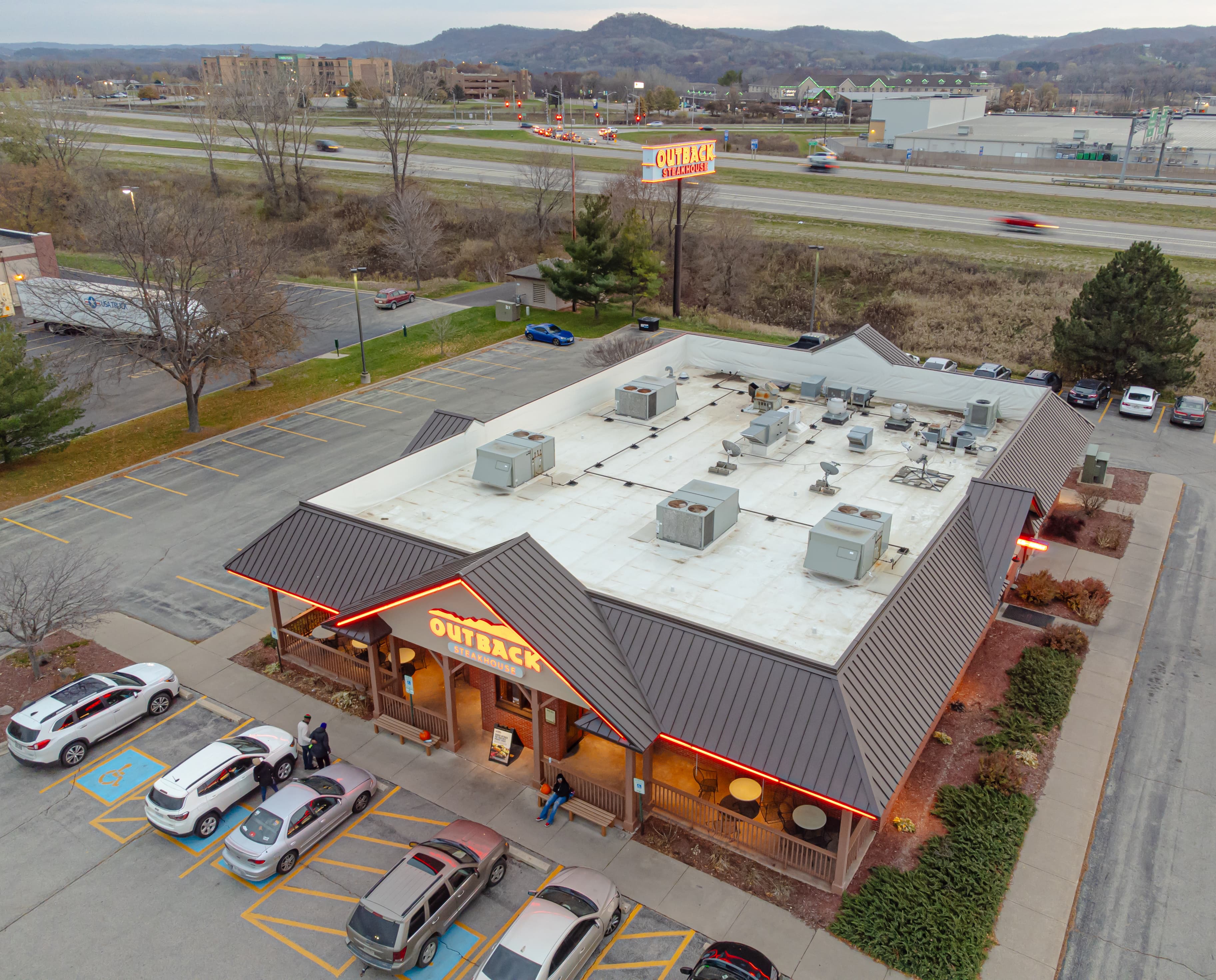
Even major casual dining chains have felt the squeeze. Outback Steakhouse, part of Bloomin' Brands, closed several locations in states including Alabama, Florida, Louisiana, Maryland, New York, and Wisconsin in October 2025. A Bloomin' Brands spokesperson stated these were "business decisions that are part of our ongoing turnaround plan," considering factors like sales, traffic, and investment potential. Other chains have adapted. Texas Roadhouse reported 12.8% revenue growth and 7.1% same-store sales growth, partly attributed to consumers shifting towards cheaper value menu items like pork, chicken, and lower-cost beef cuts. However, Texas Roadhouse interim CFO Keith Humpich noted in November 2025 that beef prices were higher than anticipated, impacting their commodity inflation forecast. Wendy's Chief Accounting Officer Suzanne Thuerk cited elevated beef prices as a factor in a 2.5% year-over-year decline in company-operated restaurant margin in Q3 2025. Portillo's CFO Michelle Hook anticipated "most significant pressures coming from beef," which constitutes about 30% of their total basket of goods. Burger King CEO Josh Kobza acknowledged the impact on margins, while Shake Shack CEO Rob Lynch discussed improving their supply chain to offset beef inflation. Shake Shack CFO Katie Fogertey added that the company has been able to mitigate some beef cost pressures through negotiations and "additional supply chain strategies."
The rising cost of beef, dubbed "beeflation," has also entered the political arena. Former President Donald Trump began focusing on beef prices in Fall 2025, proposing to increase Argentine beef imports in October 2025. This proposal, however, met with resistance from the National Cattlemen's Beef Association and Republican senators from cattle-producing states. In February 2026, he reportedly signed legislation aimed at ensuring affordable beef.
This ongoing crisis underscores the fragility of the nation's food supply chain and the profound economic ripple effects that can originate from environmental and agricultural challenges. For consumers, the days of affordable steakhouse dinners may be on hold as the industry grapples with rebuilding its foundational supply, a process that promises to be lengthy and complex. The long-term implications for the culinary landscape, from high-end chophouses to neighborhood barbecue joints, remain a significant concern as stakeholders navigate this unprecedented period of scarcity and elevated costs.