CultureA silent battle against Alzheimer's disease may soon be illuminated decades before its devastating effects become apparent. New research points to a future where simple blood tests could catch the disease in its earliest stages, long before memory loss or cognitive decline ever set in, offering a critical window for intervention.
Scientists have increasingly come to believe that Alzheimer's begins forming in the body during midlife, with hallmark proteins accumulating for years, even decades, before any noticeable symptoms emerge. This growing understanding is now backed by significant advancements in blood-based diagnostic tools, pushing the medical community closer to early detection and, potentially, prevention.
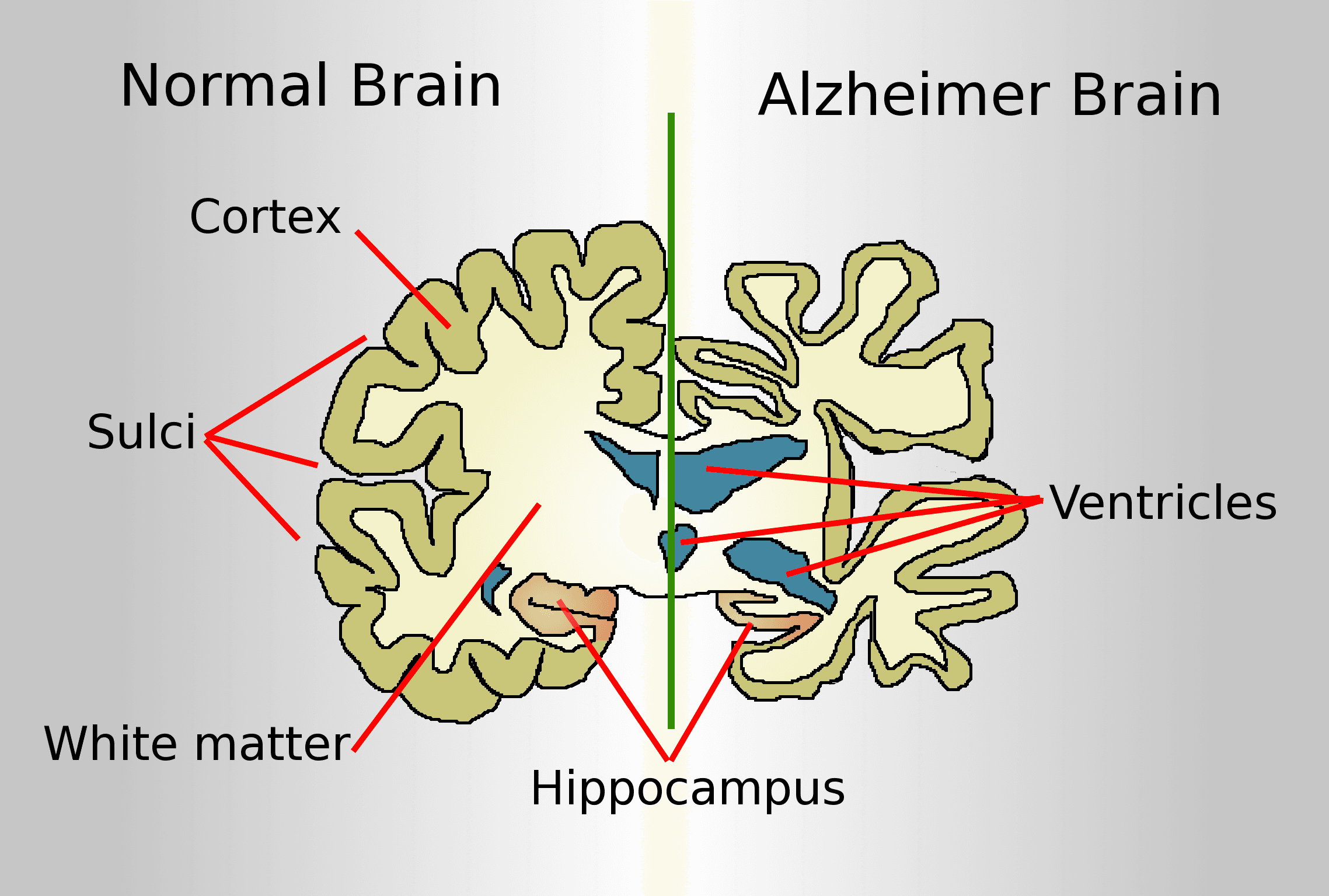
One pivotal study, published in *The Lancet* on May 29, 2026, involved 1,350 individuals in the United States who had no dementia symptoms, with an average age of 61. Researchers measured levels of two amyloid biomarkers and p-tau217 in their blood. The analysis revealed that 86 participants showed high levels of these biomarkers. These elevated levels were directly linked to worse cognitive performance, an accelerated decline in verbal memory, and slower processing speed when tested five years apart. This research reinforced the idea that evidence of Alzheimer's disease neuropathology is present, though infrequent, in midlife and already impacts measurable cognitive differences.
The findings from *The Lancet* study highlight the significant potential of plasma biomarkers for early detection within the general population. Identifying individuals with early Alzheimer's disease neuropathology through accessible, blood-based assays could be a game-changer. Such early identification would allow for targeted preventive strategies and clinical trials aimed at delaying or preventing the onset of dementia, with far-reaching implications for both clinical practice and public health policy.
Adding to this momentum, on May 15, 2025, researchers at the Keck School of Medicine of USC announced the development of a cost-effective blood test designed for early Alzheimer's detection. This innovative test, named Penta-Plex Alzheimer's Disease Capture Sandwich Immunoassay (5ADCSI), can simultaneously detect five key Alzheimer's disease biomarkers. This capability surpasses that of many currently available commercial blood tests. The 5ADCSI test leverages xMAP® technology, a widely used system from the biotechnology company Luminex, making it relatively straightforward to implement in many existing laboratory settings.
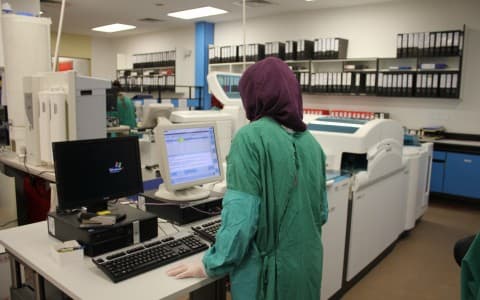
Dr. Ebrahim Zandi, an associate professor of molecular microbiology and immunology at the Keck School of Medicine who led the 5ADCSI research, emphasized the practical advantages of their development. He stated, "The biggest advantage is that our test is very cost-effective compared to other existing technologies, and it's relatively easy to implement because many laboratories in universities, hospitals, and clinics are already using this technology." Dr. Zandi further explained the long-term vision, adding, "In the 10 to 20 years Alzheimer's takes to develop, proteins such as amyloid and tau are slowly building up. If we have an affordable blood test that detects those proteins early on, we can start interventions long before symptoms begin." The study found that the 5ADCSI test detected the highest levels of biomarkers in patients with Alzheimer's, followed by those with mild cognitive impairment, with p217Tau showing a very strong correlation with the condition.
Further solidifying the progress, the U.S. Food and Drug Administration (FDA) approved the first blood test to aid in the diagnosis of Alzheimer's disease on July 18, 2025. This approved test is intended for individuals aged 55 or older who have been medically assessed as experiencing cognitive decline. It measures the ratio of pTau217 and ß-Amyloid 1-42 proteins. Dr. Schnaider Beeri, a Rutgers researcher, noted that this blood test "offers a simpler, less invasive, and more widely accessible way to support accurate detection of amyloid plaques and tau tangles, two of the main pathological markers of Alzheimer's disease." Clinical studies demonstrated the test's impressive accuracy, with 91.7% of positive results confirmed by PET scans or cerebrospinal fluid tests, and 97.3% of negative results showing no signs of pathology. Dr. Abhay Moghekar, a Johns Hopkins neurologist whose lab contributed to the test's development and validation, articulated the ultimate goal: "In the last few years, several therapies have been developed to ease Alzheimer's symptoms and slow progression of the disease. These are very helpful, but our ultimate goal is to prevent Alzheimer's disease, not treat it once you have it. This blood test is an early step in the path to prevention."
Earlier advancements also paved the way, including a study published in *Nature Medicine* on February 19, 2026. Researchers at Washington University School of Medicine in St. Louis, led by Dr. Suzanne Schindler, detailed a method to predict the onset of Alzheimer's symptoms using a single blood test. Their NIH-funded team developed an Alzheimer's "clock" model based on p-tau217 levels from blood samples of 603 older individuals, predicting symptom onset within a margin of three to four years. Dr. Schindler highlighted the immediate impact, stating, "In the near term, these models will accelerate our research and clinical trials."
These developments are crucial given the devastating impact of Alzheimer's disease. As a progressive neurodegenerative condition, it stood as the fifth-leading cause of death among people aged 65 and older in 2024, claiming more lives than breast cancer and prostate cancer combined. More than 7 million Americans are currently living with Alzheimer's, a number projected to surge to nearly 13 million by 2050. The lifetime risk for Alzheimer's at age 45 is considerable, affecting 1 in 5 women and 1 in 10 men. Furthermore, older Black Americans are about twice as likely, and older Hispanic Americans about one and a half times as likely, to develop the condition, underscoring the urgent need for accessible and early detection methods.
The advent of these blood tests marks a significant turning point in the fight against Alzheimer's. By offering the potential to identify the disease decades before symptoms manifest, these innovations could shift the paradigm from managing symptoms to proactive prevention, ultimately saving lives and improving the quality of life for millions.