CultureThat distinct scent some associate with aging? It's real, and science has a name for it: nonenal. Often mistakenly linked to poor hygiene, this age-related body odor is a natural biological process that begins around age 40, affecting both men and women, and is far more manageable than many realize.
The scientific journey to understand this scent began in 2001. A dedicated team of seven scientists from Shiseido, a prominent Japanese cosmetics company, pinpointed a specific compound as the primary culprit. They published their groundbreaking findings in the Journal of Investigative Dermatology, identifying the compound as 2-nonenal. This discovery provided the medical community with a term for what had long been a colloquial observation, solidifying its place in dermatological science.

Nonenal, or 2-nonenal, isn't just some random chemical. It's produced when omega-7 unsaturated fatty acids, naturally present on the skin, undergo a process called oxidation. As the body ages, typically starting around 40, its natural antioxidant defenses begin to wane. This decline allows these fatty acids to break down more readily, leading to the formation of 2-nonenal. The resulting odor is frequently described with terms like grassy, greasy, musty, or waxy. A critical characteristic of 2-nonenal is its non-water-soluble nature, which explains why it can be so persistent. It resists removal by regular soaps and can cling stubbornly to fabrics, including clothing, bedding, and upholstery, making it a challenge to eliminate with standard cleaning methods.
Public perception of this age-related scent is also complex. A 2012 study delved into how individuals interpret this odor, revealing nuanced insights. While most participants initially didn't find the age-related body scent inherently unpleasant, their perception often took a negative turn once they were informed the scent originated from an older person. This suggests an ingrained age bias influences how we interpret odors. Interestingly, some study participants even described the smell as mildly sweet or faintly earthy, challenging the universally negative stereotype. Despite these varying perceptions, experts like Leslie Kenny, a certified Bulletproof coach and founder of Oxford Healthspan, have clarified the issue. Kenny stated, "Old people smell comes from lipid peroxidation on top of the skin. It's basically sebum that has rusted." She further emphasized the persistence of the odor, noting, "The smell lingers. You can't mask it with perfume. It just creates a musty combo," underscoring that it's a chemical process rather than a lack of cleanliness.
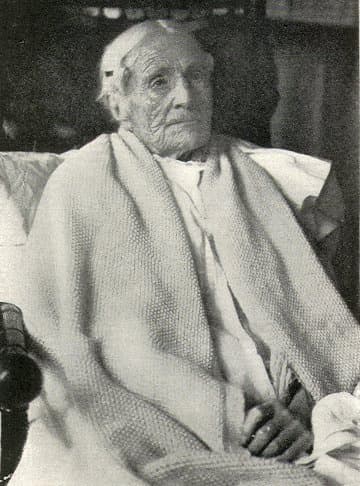
Beyond 2-nonenal, several other factors contribute to shifts in body odor as we age. Hormonal fluctuations play a significant role, particularly for women during menopause, where decreased estrogen levels and a higher percentage of testosterone can alter sweat production, leading to a more noticeable body odor. Changes in skin composition, such as thinning skin, slower cell turnover, and increased lipid oxidation, create an environment where odor-causing bacteria can thrive more easily. Dietary choices also contribute; foods rich in certain compounds, like onions, garlic, specific spices, and processed foods, can influence a person's scent, especially as digestive processes change with age. Various health conditions, including diabetes and kidney disease, along with certain medications like pseudoephedrine, opioids, or thyroid medications, are also known to alter body odor. Furthermore, the skin's microbiome undergoes natural changes over time, potentially allowing odor-producing bacteria to multiply more readily.

The widespread discussion about this phenomenon on platforms like Reddit and Quora highlights a common curiosity and sometimes concern among the public, underscoring the importance of accurate information. Demystifying this natural aging process helps to reduce the stigma often mistakenly attached to poor hygiene and fosters greater understanding. Some researchers even propose an evolutionary basis for distinct age-related scents, theorizing they might serve as a built-in age-detecting mechanism in both humans and animals, though this remains a subject of ongoing study.
Managing age-related body odor involves a comprehensive approach. Fundamental good hygiene practices are essential, including regular bathing and thorough cleaning of areas prone to odor, such as underarms, groin, feet, and skin folds. Ensuring these areas are completely dry after washing is crucial to prevent bacterial growth. The use of specific products can also be beneficial; antibacterial soaps, pH-balanced cleansers, and exfoliating scrubs can help. Notably, Japanese persimmon extract soap is recognized for its ability to neutralize nonenal effectively. Opting for breathable fabrics like cotton, wool, or linen aids in managing body odor by allowing sweat to evaporate more easily, reducing the environment for bacterial proliferation.
Beyond external care, lifestyle adjustments play a key role. Staying adequately hydrated helps the body flush out toxins and dilute odor-causing compounds. A balanced diet, which limits foods known to intensify body odor—such as red meat, onions, garlic, and processed foods—and incorporates more fruits, vegetables, whole grains, and antioxidants (found in foods like mushrooms), can contribute to a fresher scent profile. Stress management techniques and cooling strategies to prevent excessive sweating are also valuable. Maintaining good oral hygiene is important, as is keeping living environments well-ventilated. Regularly cleaning fabrics, furniture, and upholstery with methods like vacuuming, baking soda, or enzyme-based sprays can help eliminate lingering odors, ensuring a fresher personal and home environment.