 Culture
Dr. Tamara New Fights for Sickle Cell Equity and Future
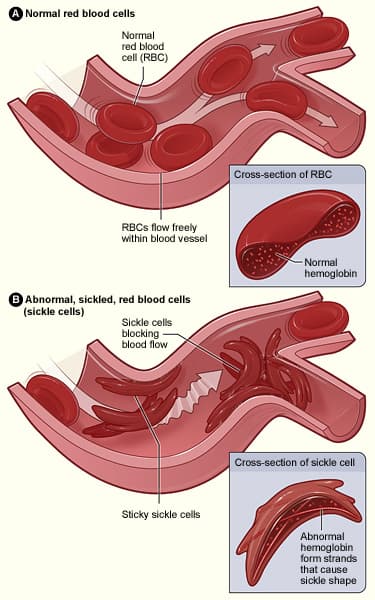
Sickle cell disease, a condition that disproportionately affects the Black community, has seen significant advancements in care, yet critical challenges persist. Dr. Tamara New, who directs the Sickle Cell Disease Program at Johns Hopkins All Children's Cancer and Blood Disorders Institute in St. Petersburg, Florida, recently shed light on the evolving landscape of treatment, the ongoing struggle for equitable access to clinical trials, and her profound optimism for those living with the disease.
Dr. New's insights, which were featured in public reports in early May 2026, underscored the progress made, particularly in early identification and life-saving interventions. However, she also pointed to the limited therapeutic options currently available, noting a stark contrast to conditions like diabetes or high blood pressure where patients have multiple treatment paths. For sickle cell, only three FDA-approved medications are on the market, with a fourth having been withdrawn due to complications. This scarcity of options directly impacts communities already facing systemic health disparities.
A central focus of Dr. New's commentary was the persistent underrepresentation of Black children in clinical trials for sickle cell disease. Despite being the population most affected by the condition, their limited participation hinders the development of new, more effective treatments tailored to their needs. Dr. New called for urgent action, stating, "We need more funding for more clinical trials." She stressed that greater involvement is possible if families fully grasp the purpose of these trials and how their participation can benefit current patients and future generations.
To illustrate this point, she referenced historical successes, explaining that the widespread use of penicillin prophylaxis for infants with sickle cell, a measure now considered life-saving, originated directly from clinical studies where parents bravely consented to their children's participation. These trials were reportedly halted early because the benefits of penicillin became unequivocally clear. Dr. New believes understanding this history is crucial for building trust and encouraging present-day involvement.
Dr. New joined Johns Hopkins All Children's in 2023, bringing with her more than two decades of dedicated experience to ensuring comprehensive care for children with sickle cell disease. Her career journey includes serving as the clinical director of the Egleston Sickle Cell Program at Children's Healthcare of Atlanta and holding an associate professor position at Emory Pediatric Institute. A graduate of Mount Sinai School of Medicine, she completed her fellowship training at Columbia University. Her path to specializing in sickle cell was reportedly forged during her residency, where she found her calling.

The underrepresentation of Black individuals in medical research, including sickle cell trials, is a deeply rooted issue. Historical events, such as the Tuskegee Study of Untreated Syphilis in the 1970s, where African American men were denied treatment, fostered significant mistrust within the Black community toward medical research. Additionally, problematic early sickle cell screening programs from the same era led to stigmatization and discrimination against individuals carrying the sickle cell trait, further fueling skepticism. Beyond historical factors, barriers to participation include gaps in knowledge about the disease, limited access to information regarding trials, and a general mistrust of healthcare professionals. While willingness to participate is often cited as a reason for low enrollment, studies suggest there is no significant difference in willingness between Black individuals and other groups, pointing instead to systemic issues within the research infrastructure. Organizations like Sickle Cell 101 and UCSF Benioff Children's Hospitals are actively engaged in initiatives to combat racism in sickle cell care and improve community-based research practices.
Beyond clinical trials, Dr. New also highlighted a critical gap in the transition of pediatric patients to adult care. She observed that there are not enough adult physicians adequately trained to manage patients with sickle cell disease. Johns Hopkins All Children's attempts to bridge this gap through its Sickle Cell Transition Program, which starts preparing patients as young as 13 for the move to adult services at age 21, offering comprehensive medical, psychosocial, emotional, and educational support. The American Society of Hematology is also working to address this shortage by developing specialized certificate programs for adult medicine physicians.
Despite the formidable challenges, Dr. New expressed profound hope for the future of sickle cell care, drawing her optimism primarily from her patients. She shared, "My patients give me the most hope." Recalling a colleague's observation, she noted, "these kids go through so much and you would not know it, because they come in laughing, playing, joking with you." This resilience, coupled with their unwavering pursuit of personal and professional goals, serves as a significant source of inspiration for her. Dr. New continues to advocate for patient empowerment, urging families to actively engage in their care and the broader fight for better outcomes.