Home
Explore
Notifs
Profile

Black-owned · Built for the global diaspora · Curated pins from Black and melanated creators across hair, style, beauty, home, and art.

Formerly Melaninterest.com

m
melanin
AboutHelpTermsPrivacyCommunity GuidelinesCreators

© 2026 Melanin. All rights reserved.

Mmelanin
HomeExploreCreatorsNewsCreate
Ctrl+K
Log inSign up
Mmelanin
HomeExploreCreatorsNewsCreate
Ctrl+K
Log inSign up
Elon Musk's Mars Colony Dream Tied to Billions in SpaceX Payday — Melanin News | Melanin
Mmelanin
HomeExploreCreatorsNewsCreate
Ctrl+K
Log inSign up
All news
Elon Musk's Mars Colony Dream Tied to Billions in SpaceX PaydayCulture

Elon Musk's Mars Colony Dream Tied to Billions in SpaceX Payday

1w ago

Elon Musk’s vision for humanity has always pushed boundaries. Now, that vision is tied directly to his wallet, with reports revealing that a significant portion of his future compensation from SpaceX hinges on an astronomical feat: building a permanent, self-sustaining human city on Mars with a population of at least one million people.

This audacious objective, a long-standing cornerstone of Musk’s public pronouncements, gained new weight with details emerging from confidential registration statements filed with the U.S. Securities and Exchange Commission (SEC). These filings, reported in late April and May 2026 ahead of a potential SpaceX initial public offering (IPO), laid bare the specifics of a performance-based executive reward package approved by the SpaceX board.

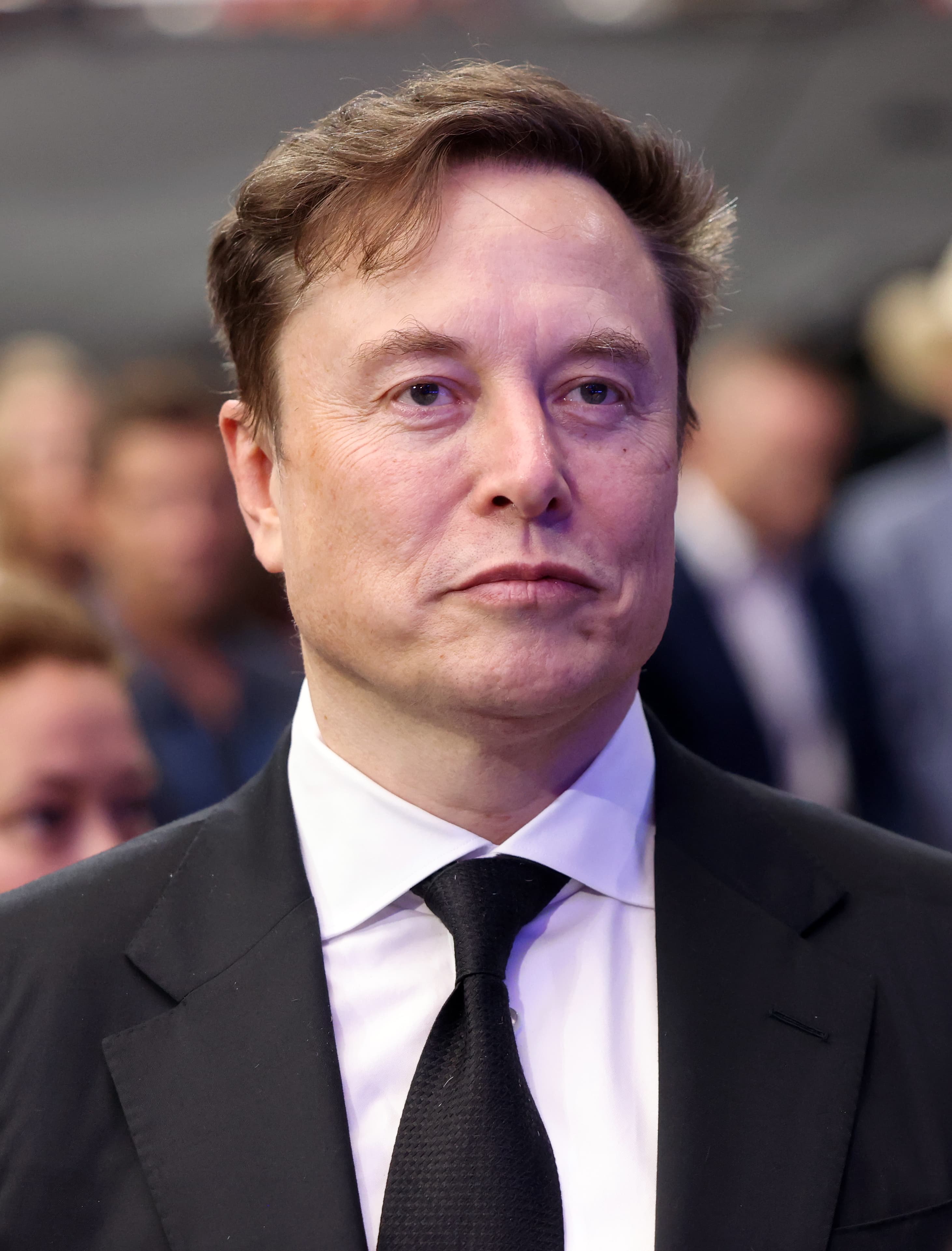
Image related to Elon Musk's Mars Colony Dream Tied to Billions in SpaceX Payday
Related image from the original report Source

Under this plan, Musk could be awarded 200 million in super-voting restricted shares. However, these shares would only fully vest if two monumental conditions are met: SpaceX must achieve a market valuation of $7.5 trillion, and, crucially, a permanent Mars colony housing at least one million residents must be established. An additional 60.4 million restricted shares, granted in March, are reportedly linked to further valuation milestones and the operation of space-based data centers boasting at least 100 terawatts of processing power. Should these celestial goals and ambitious valuation targets remain unmet, Musk would reportedly receive no shares from this package, continuing instead with his annual salary of $54,080. This unique compensation structure has been described by some as a “constitutional document for a civilization-level project,” effectively embedding the dream of Mars colonization into the company’s very financial and legal framework.

Musk, a citizen of South Africa, Canada, and the United States, and born in Pretoria, South Africa, has been a driving force in technology and space exploration for decades. His career includes co-founding Zip2, X.com (which evolved into PayPal), and later founding SpaceX in 2002. He also leads Tesla as CEO and founded xAI. His advocacy for making humanity a multiplanetary species, primarily through colonizing Mars, traces back to at least 2001, when he joined the Board of Directors of the Mars Society and contributed $100,000 to the organization. His motivation, as he has expressed, is rooted in ensuring the long-term survival of the human race, stating, “You want to wake up in the morning and think the future is going to be great - and that’s what being a spacefaring civilization is all about.”
The vision for a million-person city on Mars is not merely a scientific outpost; it's a fully functional society. Such a settlement would demand extensive infrastructure, including robust permanent housing, advanced food production systems, facilities for water extraction, hospitals, schools, reliable power generation, intricate transport networks, and comprehensive industrial manufacturing capabilities. Musk has envisioned this as a “self-sustaining, large scale settlement and directly democratic, self-governing colony.” He stated in 2024 that the ability to utilize local Martian resources would be indispensable for achieving self-sufficiency, with SpaceX aiming for a colony to reach this state in “seven to nine years.”

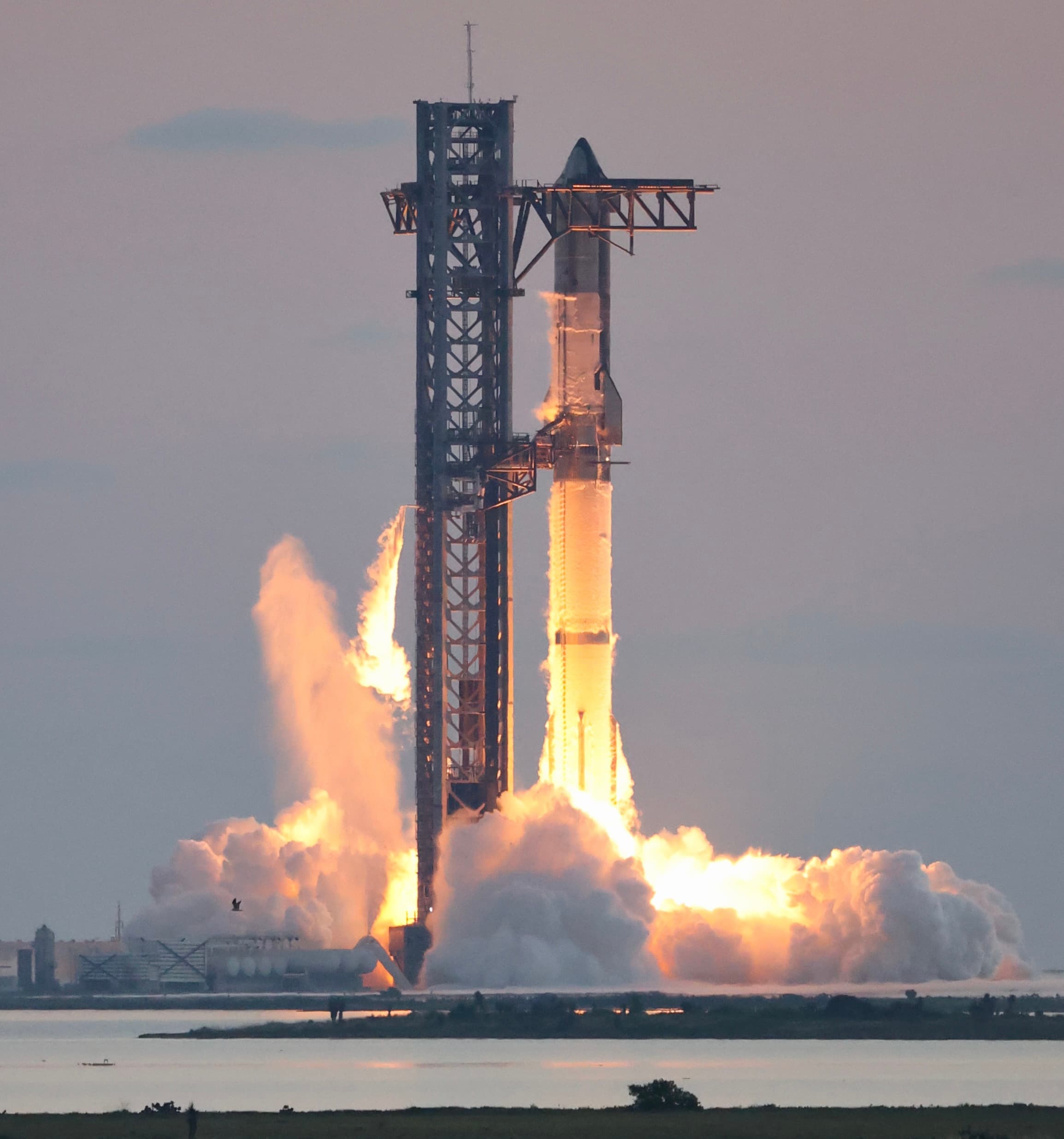
SpaceX Starship
SpaceX Starship Source

Musk’s timelines for achieving Mars colonization have seen various adjustments over the years. In 2007, he articulated a personal goal of enabling human exploration and settlement of Mars. By 2016, he unveiled plans to send a million humans to Mars and establish a self-sustaining city, initially estimating the first human mission could occur in 2024. Subsequent projections suggested uncrewed Starship missions could depart for Mars as early as 2022, with human landings potentially commencing in 2029 or more likely 2031. In May 2026, during a presentation at SpaceX’s Starbase facility in Texas, Musk outlined a phased approach: five uncrewed Starships lifting off in 2026, landing in 2027 with Tesla’s Optimus robots, followed by another 20 Starships in 2028, some carrying human passengers. He has also indicated that a self-sustaining civilization could take “20 to 30 years,” pushing the timeline to between 2055 and 2065. Earlier in 2026, reports suggested Musk had “shifted focus toward building a self-growing city on the Moon,” indicating a lunar city might take less than a decade, while Mars colonization would require more than two decades. Despite this, the inclusion of the Mars colony in his compensation package highlights its enduring significance to SpaceX’s long-term mission.

The central technology underpinning this monumental vision is SpaceX’s Starship, a fully reusable transportation system engineered to carry both crew and cargo to various destinations including Earth orbit, the Moon, and Mars. However, the path to a Martian metropolis is riddled with immense technical, logistical, and biological challenges. Many scientists and engineers express significant doubt that a self-sustaining Martian city with one million residents can realistically be achieved this century.

Major obstacles loom large, including the formidable issue of radiation exposure, the complexities of food production in an alien environment, ensuring the unwavering reliability of life-support systems, and the profound psychological effects of prolonged isolation during missions and life on Mars itself. The sheer transportation costs are staggering, and the limitations of terraforming—transforming Mars to be more Earth-like—present an almost insurmountable hurdle. The Martian environment is inherently hostile, characterized by weak gravity, deadly cosmic rays and radiation, extreme temperatures, and toxic soil. Establishing a population of this scale would necessitate technological breakthroughs far beyond current capabilities, with critics also questioning the economic viability and the colossal logistical support required for a million people on a planet devoid of human presence and breathable air. As Casey Dreier, chief of space policy at the Planetary Society, acknowledges, while SpaceX’s capabilities are impressive, “A lot of people take it as a given that it will work, and there’s really no guarantee.” Conversely, Robert Moses, a retired aerospace engineer from NASA’s Langley Research Center, has reportedly expressed approval for Musk’s ambitious endeavors.

This audacious gamble underscores the extraordinary ambition driving Elon Musk and SpaceX. By tying his personal fortune to the success of a civilization-level project, Musk is not just investing in a company; he is anchoring his legacy to the future of human exploration and survival across the cosmos. It's a bold move that captures the imagination, even as it faces the harsh realities of space and engineering.

As the world watches SpaceX’s Starship development, the long-term implications of this compensation plan are clear: the dream of a million-person Mars city is now more than just a vision; it’s a direct corporate and personal imperative for one of the most influential figures in modern technology. The journey to the red planet, and potentially a new human home, remains one of the most ambitious undertakings in human history.