Home
Explore
Notifs
Profile

Black-owned · Built for the global diaspora · Curated pins from Black and melanated creators across hair, style, beauty, home, and art.

Formerly Melaninterest.com

m
melanin
AboutHelpTermsPrivacyCommunity GuidelinesCreators

© 2026 Melanin. All rights reserved.

Mmelanin
HomeExploreCreatorsNewsCreate
Ctrl+K
Log inSign up
Mmelanin
HomeExploreCreatorsNewsCreate
Ctrl+K
Log inSign up
Fitbit Air Drops: Google's Smallest Wearable Promises 7-Day Battery — Melanin News | Melanin
Mmelanin
HomeExploreCreatorsNewsCreate
Ctrl+K
Log inSign up
All news
Fitbit Air Drops: Google's Smallest Wearable Promises 7-Day BatteryCulture

Fitbit Air Drops: Google's Smallest Wearable Promises 7-Day Battery

1w ago

Google is making a major play in the wearable fitness market with the introduction of the Fitbit Air, a device designed to strip away complexity and focus on core health tracking. This new screenless wearable is the smallest Google has ever produced, built as a tiny, discreet pebble intended for silent, continuous health monitoring on the wrist.

Pre-orders for the Fitbit Air kicked off on May 7, 2026, following several months of rumors and a social media tease from Fitbit on May 6, 2026. The standard Fitbit Air is priced at an accessible $99.99, while a Google Fitbit Air Special Edition is available for $129.99. Both versions became widely available and began shipping around May 26, 2026, coinciding with their on-shelf release in the U.S. Early pre-order incentives, including bundles with active bands, concluded just a day prior, on May 25, 2026.
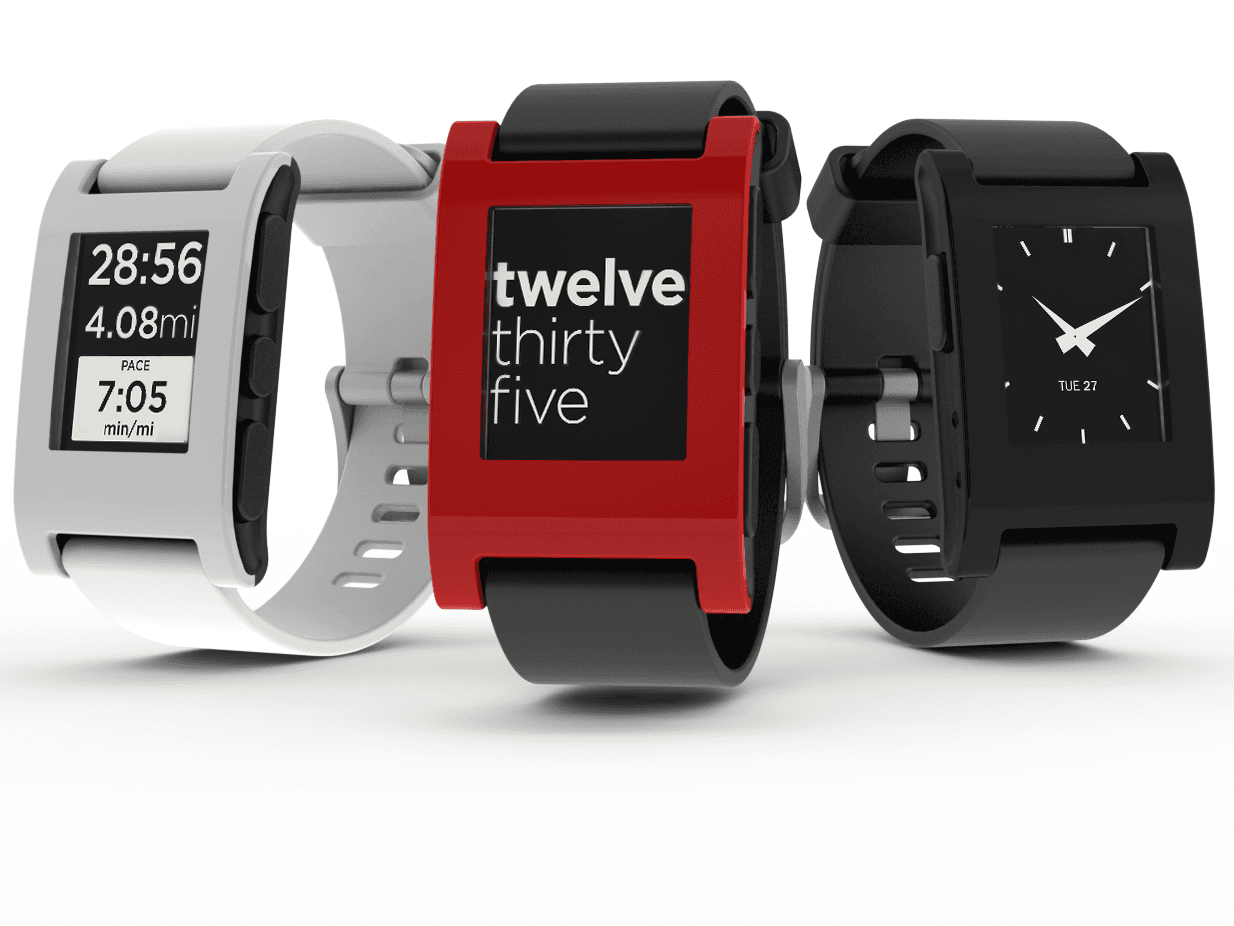
Pebble (watch)
Pebble (watch) Source

The device is a significant strategic move for Google, marking its first new Fitbit hardware in four years since the company acquired Fitbit in 2021. This launch is seen as a deliberate philosophical reset for the brand, steering away from bulky, feature-heavy smartwatches towards a more minimalist approach. The Fitbit Air integrates deeply with the Google Health ecosystem, which reportedly benefited from input from NBA superstar Stephen Curry during its development, and he has been noted wearing the device publicly.

Reviews began circulating around May 8, 2026, and continued through May 26, 2026, generally praising the device's simplicity, comfort, and affordability. One reviewer captured the device's appeal by stating, "I miss constant fitness tracking but don't want another screen on my wrist." Another humorously noted their experience with the integrated AI coach, remarking, "my Fitbit yelled at me." Google itself highlighted the device's rapid charging, claiming it offers "a full day of power in just five minutes."

However, some feedback indicated minor points of contention. While impressive, the 7-day battery life was noted as shorter than some competitors, like Whoop's 14 days, especially given the absence of a screen. Concerns were also raised about certain advanced AI coaching features being exclusive to the Google Health Premium subscription after an initial trial period. The lack of built-in GPS and a display were identified as potential drawbacks for users who prefer to run without their phones, and at launch, there was no option to export data to Apple Health, keeping user data within the Google Health ecosystem.
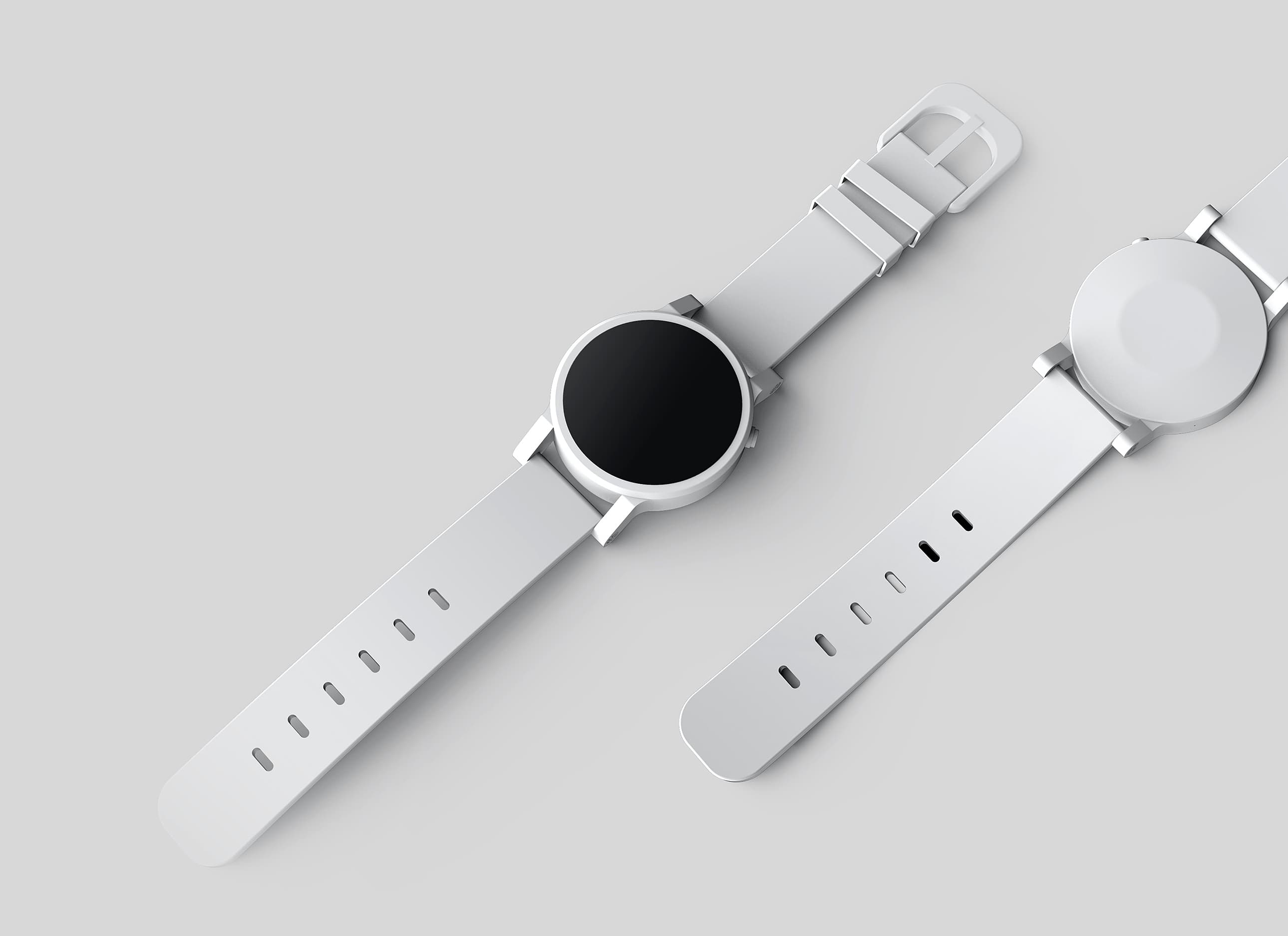
Wearable technology
Wearable technology Source

The Fitbit Air positions itself as a direct competitor to popular screenless trackers such as Whoop and Oura Ring. It aims to democratize premium screenless fitness tracking by offering similar health insights without requiring a mandatory subscription for its core features. The device has been described as "the most interesting wearable launch of 2026," largely due to its focus on less intrusive, more affordable health monitoring.

This launch solidifies Google's strategic direction in health technology, leveraging Fitbit's hardware expertise with Google's AI capabilities. The Fitbit Air is an integral part of Google's expanding health ecosystem, specifically designed to utilize the Google Health Coach, which is powered by Google's Gemini AI. The device's lightweight design, weighing only 5.2 grams for the housing and 12 grams with the band, prioritizes comfort, making it suitable for continuous wear, including during sleep, a use case often challenging for bulkier smartwatches.

The new wearable also necessitates the use of the new Google Health app, which is set to replace the classic Fitbit app, signaling a consolidation of Google's health platforms. While core health metrics remain free, the advanced AI coaching features are part of the Google Health Premium subscription, priced at $9.99 per month or $99 per year after an initial three-month free trial. Users can even pair the Fitbit Air simultaneously with a Pixel Watch to the same Google Health account, allowing the app to automatically sync and de-duplicate data, offering flexibility for those who desire both a smartwatch and a discreet tracker.

The Fitbit Air represents a significant pivot towards "screenless" and "passive" 24/7 monitoring, intensifying competition with established players in this niche. By offering a discreet, affordable, and AI-powered health tracking solution, Google is aiming to carve out a new space in the crowded wearable market and redefine what a fitness tracker can be for a wider audience.