Home
Explore
Notifs
Profile

Black-owned · Built for the global diaspora · Curated pins from Black and melanated creators across hair, style, beauty, home, and art.

Formerly Melaninterest.com

m
melanin
AboutHelpTermsPrivacyCommunity GuidelinesCreators

© 2026 Melanin. All rights reserved.

Mmelanin
HomeExploreCreatorsNewsCreate
Ctrl+K
Log inSign up
Mmelanin
HomeExploreCreatorsNewsCreate
Ctrl+K
Log inSign up
Overlooked Condition? Histamine Intolerance Linked to Chronic Health Issues — Melanin News | Melanin
Mmelanin
HomeExploreCreatorsNewsCreate
Ctrl+K
Log inSign up
All news
Overlooked Condition? Histamine Intolerance Linked to Chronic Health IssuesCulture

Overlooked Condition? Histamine Intolerance Linked to Chronic Health Issues

6d ago

Persistent headaches, unexplained fatigue, and ongoing digestive problems might point to a condition many people have never heard of: histamine intolerance. A recent report, published on May 27, 2026, sheds light on this frequently overlooked issue, suggesting it could be a significant factor in a range of uncomfortable and sometimes debilitating symptoms that individuals experience daily.

While histamines are natural compounds found in almost every food we eat, and most bodies process them without a hitch, a segment of the population struggles. For these individuals, histamine builds up in their system faster than their bodies can clear it, leading to an accumulation that triggers a cascade of adverse reactions. This imbalance, rather than a true allergy, is at the core of histamine intolerance.
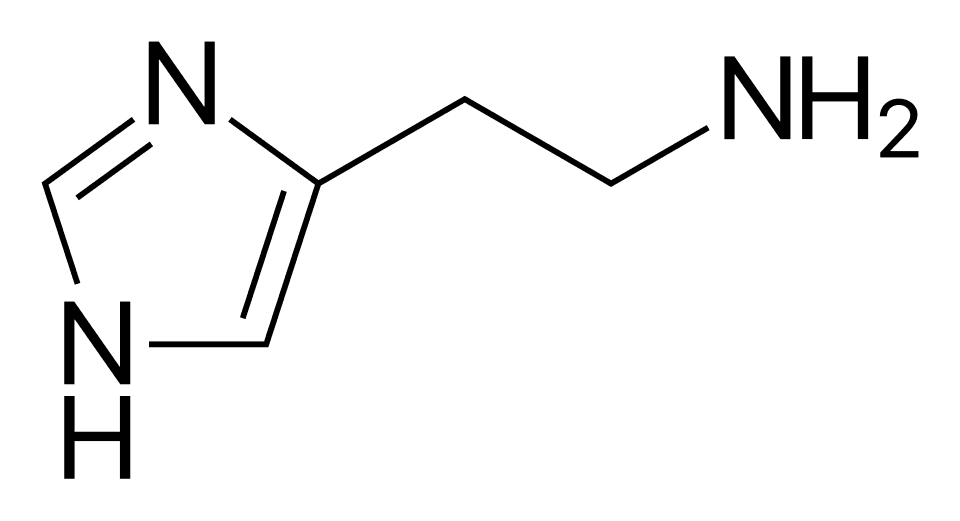
Histamine
Histamine Source

The condition is characterized by the body's diminished capacity to break down histamine effectively. The primary enzymes responsible for this crucial task are diamine oxidase (DAO) and histamine-N-methyltransferase (HNMT). A deficiency or reduced activity in these enzymes, particularly DAO, is a common reason for the intolerance. This enzyme shortfall can be rooted in genetic predispositions, interactions with certain medications, or underlying gastrointestinal disorders.

Several factors can contribute to compromised DAO function. Non-steroidal anti-inflammatory drugs (NSAIDs) and specific blood pressure medications are known to interfere with its activity. Additionally, various gastrointestinal conditions, including celiac disease, irritable bowel syndrome (IBS), inflammatory bowel disease (IBD), and leaky gut syndrome, can hinder the body's ability to manage histamine. Intestinal inflammation and gut infections are also noted to decrease DAO enzyme levels. Even chronic stress plays a role, as it can stimulate mast cell production and increase histamine release, especially within the gut, creating a cycle that exacerbates symptoms.
The symptoms of histamine intolerance are remarkably diverse, affecting multiple body systems due to the widespread presence of histamine receptors. Gastrointestinal complaints are common, manifesting as bloating, nausea, diarrhea, stomachaches, abdominal pain, constipation, flatulence, and even vomiting. Beyond the gut, individuals may experience headaches or migraines, itching, eczema, skin rashes or hives, sudden warmth or redness (flushing), and swelling of the face, lips, or eyes. Respiratory symptoms such as a blocked or runny nose, wheezing, and shortness of breath can also occur. Cardiovascular signs include an irregular or fast heart rate and low blood pressure. Other systemic symptoms reported include anxiety, fatigue, sleep disturbances, and painful menstruation or premenstrual headaches. These varied and non-specific symptoms often mimic other conditions, making diagnosis challenging and leading to frequent misdiagnosis or dismissal. Typically, symptoms emerge anywhere from 30 minutes to a few hours after consuming trigger foods, though the timing can vary between individuals.

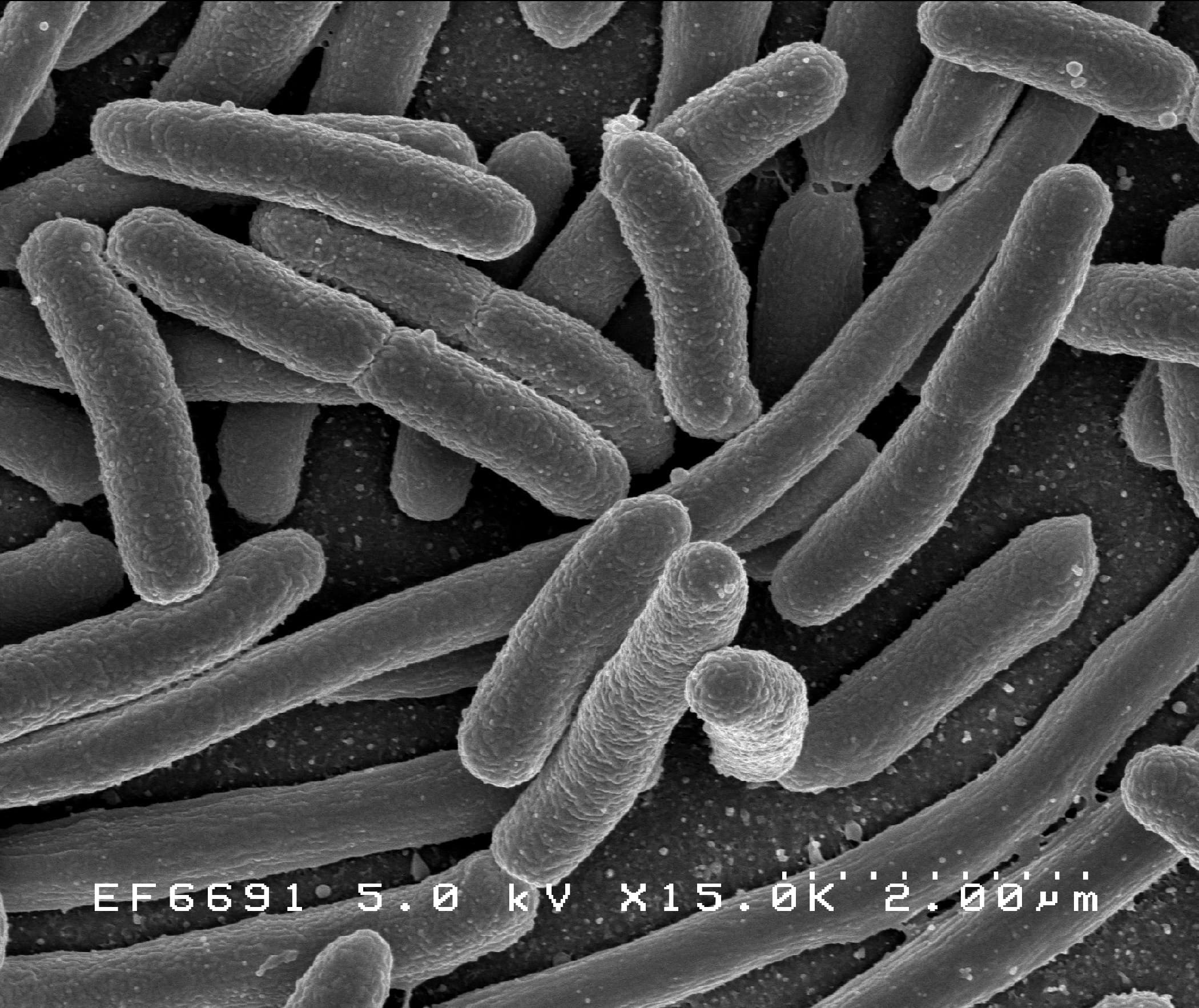
Gut microbiota
Gut microbiota Source

Amy Burkhart, M.D., R.D., a physician and registered dietitian specializing in integrative nutrition, frequently works with patients managing histamine intolerance. She emphasizes that factors like genetics, medications, and existing health issues must be considered alongside dietary intake when assessing histamine metabolism. Dr. Burkhart introduced the concept of the “bucket effect,” explaining that as histamine accumulates from various sources throughout the day, symptoms tend to worsen. What might be tolerable in the morning, she notes, can become overwhelming by evening as the body's histamine “bucket” overflows.

Another prominent figure in the field, Dr. Becky Campbell, identifies histamine intolerance as a buildup of histamine in the body that can underlie many modern chronic health issues, including headaches, migraines, digestive problems, fatigue, anxiety, and menstrual issues. Dr. Campbell frequently observes a co-occurrence of gut health issues and histamine intolerance in her practice, stressing the importance of addressing both for effective recovery.

Diagnosing histamine intolerance presents a significant challenge due to the lack of a single definitive test and the non-specific nature of its symptoms. Physicians typically begin by ruling out other conditions that share similar presentations, such as true food allergies, mast cell activation syndrome (MCAS), celiac disease, and irritable bowel syndrome. A common diagnostic approach involves a trial of a low-histamine elimination diet for a period of two to four weeks, followed by a gradual reintroduction of foods to pinpoint specific triggers. Maintaining a detailed food and symptom diary throughout this process is highly recommended. While blood tests for DAO concentration are sometimes utilized, their reliability is debated, as serum levels may not always accurately reflect intestinal DAO activity. The histamine 50-skin-prick test has also been noted as a potentially useful diagnostic tool.

Management strategies primarily aim to reduce the body's overall histamine load. A low-histamine diet forms the cornerstone of treatment, requiring individuals to avoid foods rich in histamine or those that trigger its release. High-histamine foods include fermented and aged products such as wine, beer, aged cheeses, sauerkraut, and vinegar. Processed meats like sausage and salami are also often problematic. Certain fruits and vegetables, including tomatoes, spinach, eggplant, avocados, bananas, pineapples, papayas, citrus fruits, and strawberries, can either be high in histamine or act as histamine liberators. Other foods to consider avoiding include chocolate, nuts, and specific types of fish like mackerel and tuna if not gutted promptly. Conversely, freshly cooked foods, fresh meat and fish, non-fermented dairy alternatives, and most fresh fruits and vegetables are generally recommended. Beyond dietary adjustments, treatment may involve discontinuing medications that inhibit DAO, taking DAO enzyme supplements before meals to assist with histamine breakdown, and in some cases, short-term use of antihistamine medications. Addressing underlying gut health issues, reducing chronic inflammation, and managing stress are also crucial components of a comprehensive treatment plan.

For those grappling with a constellation of unexplained chronic symptoms, understanding histamine intolerance offers a potential path to relief. Recognizing its diverse manifestations and the factors that contribute to its development is the first step toward effective management and improved well-being.