 Drama
DramaLIRR Strike Ends: Commuters Get Relief After Three-Day Halt
Long Island Rail Road commuters can breathe a sigh of relief. After three days of halted service, a tentative agreement was reached between LIRR unions and the Metropolitan Transportation Authority (MTA), bringing an immediate end to the strike and restoring full train service.
The resolution, announced late Monday, May 18, 2026, marked the conclusion of a significant labor dispute that had crippled North America's busiest commuter railroad. Service across four major LIRR branches was promptly reinstated, easing the travel woes for the estimated 250,000 to 300,000 daily commuters who rely on the network for their livelihoods and daily routines. The impact of the strike reverberated across the region, causing widespread disruption and highlighting the critical role the LIRR plays in the daily flow of the metropolitan area.
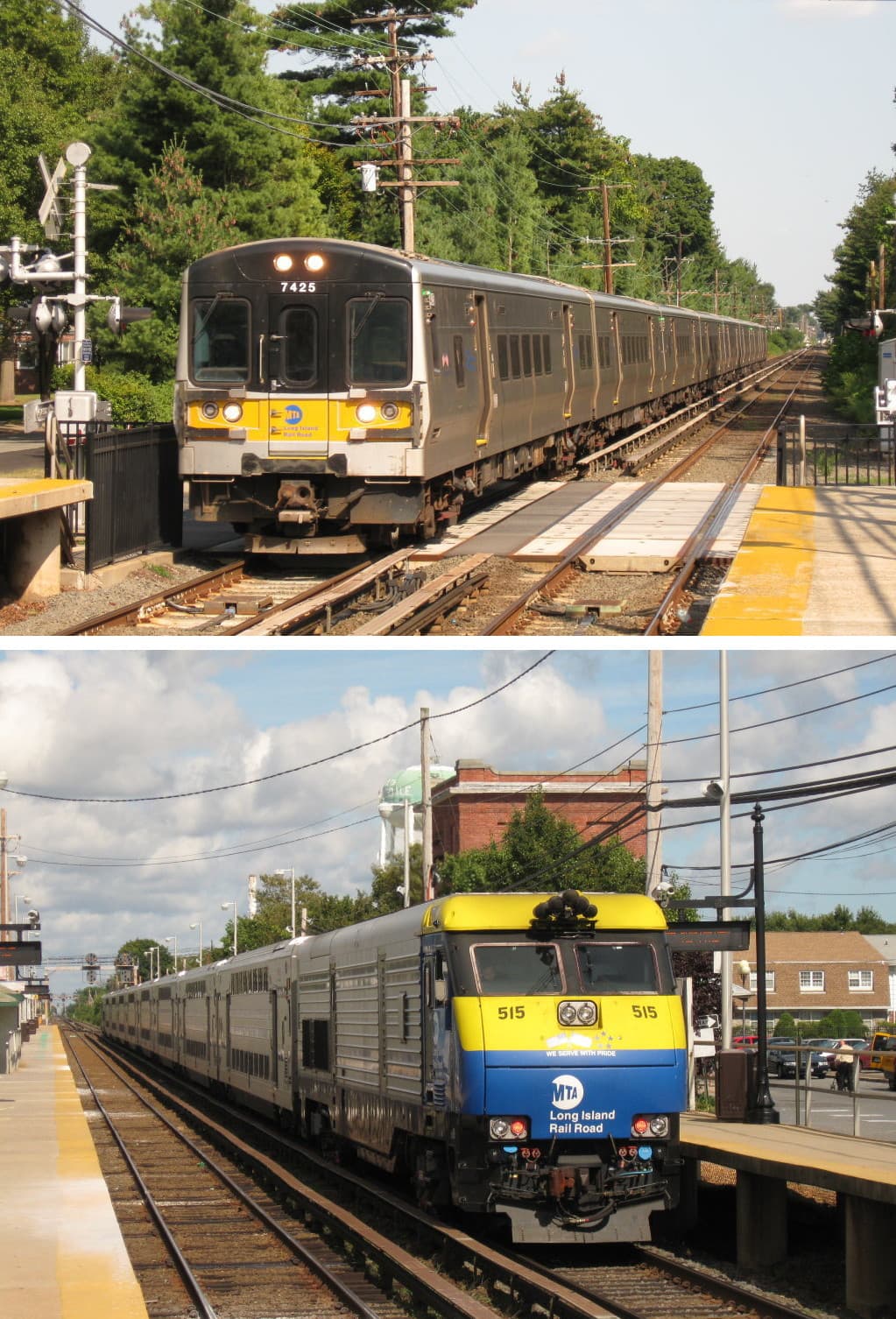
This recent standoff was not an isolated incident but the culmination of prolonged negotiations. Workers had been without a raise since 2022, a point of contention that fueled the demand for a new four-year contract. Negotiations for this contract had been ongoing since 2023, setting the stage for the eventual strike authorization.
The path to the strike began several months prior. On September 15, 2025, LIRR workers took a decisive step, voting to authorize a strike. This vote initiated a legally mandated six-month negotiation period, followed by a 60-day cooling-off period. These procedural steps meant that a strike could legally commence by mid-May 2026, a deadline that ultimately saw workers walk off the job.
The LIRR, a vital artery for the region, serves a massive population extending from the eastern tip of Long Island into the heart of New York City. Its sudden shutdown created a logistical nightmare, forcing commuters to seek alternative transportation methods, often resulting in longer travel times and increased costs. The economic ripple effects of such a disruption are considerable, impacting everything from small businesses to major corporations that rely on a stable workforce.
