CultureNew York City is getting ready for a celestial showstopper. Manhattanhenge, the captivating natural phenomenon that transforms the city's streets into glowing corridors of light, is set to return in 2026. This twice-yearly event draws crowds as the setting sun aligns precisely with Manhattan's distinct street grid, creating a truly unique urban spectacle.
For those eager to witness this display, the full sequence of sunset alignments for Manhattanhenge is scheduled across four evenings in 2026. The initial "half sun" alignment, where half of the solar disk is visible above the horizon, occurred on Thursday, May 28, at 8:14 p.m. ET. The very next evening, Friday, May 29, featured the more dramatic "full sun" alignment, with the entire solar disk resting just above the horizon, at 8:13 p.m. ET.
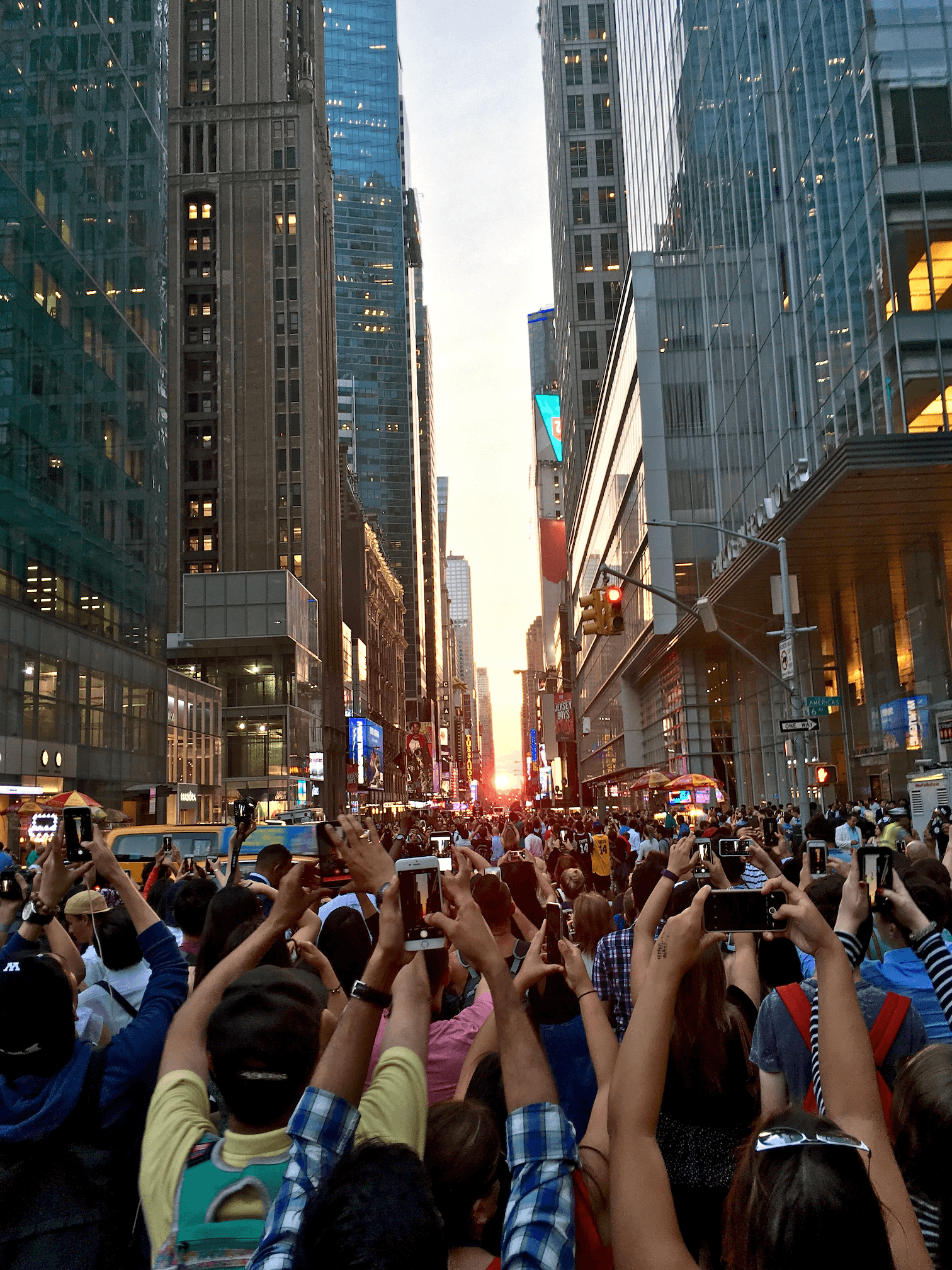
The phenomenon will make its grand return in July. On Saturday, July 11, the "full sun" will again be visible at 8:20 p.m. ET. The final alignment for the year, a "half sun" event, is slated for Sunday, July 12, at 8:21 p.m. ET. These dates offer multiple opportunities for residents and visitors to experience the striking visual.
Finding the perfect vantage point is key to enjoying Manhattanhenge. Observers are advised to stake out a spot along Manhattan's primary east-west thoroughfares. These include bustling streets such as 14th, 23rd, 34th, 42nd, and 57th Streets. For the best views, it is recommended to find a location as far east as possible that still provides an unobstructed sightline across the Hudson River towards New Jersey.
Beyond the main streets, specific locations are highly recommended. The Tudor City Overpass, particularly at 42nd Street and First Avenue, is known for its clear, unobstructed view that frames iconic structures like the Chrysler Building and One Vanderbilt. Another popular spot is Hunter's Point South Park in Long Island City, Queens, offering a different perspective of the Manhattan skyline. Due to the event's immense popularity, especially on 34th and 42nd Streets, arriving at least 30 minutes before sunset is a smart move to secure a good spot.
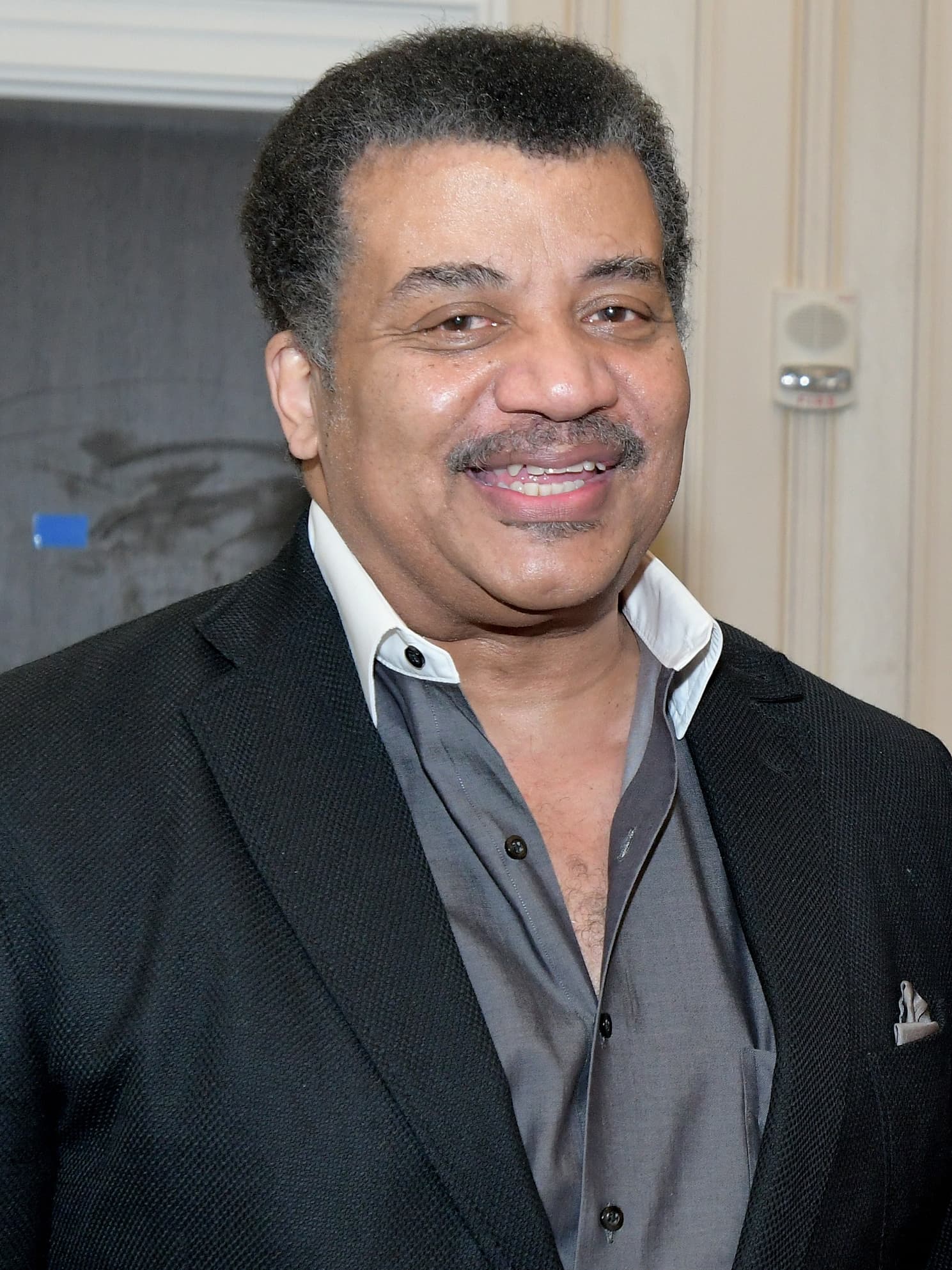
The intriguing name "Manhattanhenge" was coined by renowned astrophysicist Dr. Neil deGrasse Tyson, who directs New York's Hayden Planetarium at the American Museum of Natural History. Dr. Tyson drew inspiration from Stonehenge, the ancient monument in England where the rising sun aligns with the Heel Stone during the summer solstice. His personal connection to Stonehenge dates back to a childhood visit at age 15, part of an expedition led by astronomer Gerald Hawkins, who first proposed Stonehenge's astronomical purpose.
Dr. Tyson first publicized the details of Manhattanhenge, including its specific times and dates, in a cartoon by Stan Mack featured in *Natural History* magazine. He has eloquently described the visual impact of the event, stating, "What you get is a fascinating vanishing point with all the buildings of steel and glass framing it. This is what makes it a henge." He also noted the unique appeal of the solar event over lunar alignments, remarking, "No one stops the car to get out and watch the moon set. It's not a thing. It's not so radiant as the sun is…"
Further explaining the phenomenon, Dr. Jackie Faherty, an Associate Curator in the Department of Astrophysics at the American Museum of Natural History, describes Manhattanhenge as "astronomy in your face" and a fundamental "lesson in Astronomy 101." Faherty emphasizes that the event serves as "a reminder that we live on this spinning rock that's also moving around the sun in an orbit." She clarifies the distinction between the two types of alignments observed: "Manhattanhenge happens officially four times a year. One is when the very, very bottom of the sun kisses the grid right before it goes below the horizon. And that's what we call full Manhattanhenge. Then we have a second kind of event, which is when the midpoint of the sun kisses the grid before it goes below the horizon, and we call that half sun."
The uniqueness of Manhattanhenge stems from the specific orientation of the city's street grid. Unlike a grid perfectly aligned with true north-south, Manhattan's street grid is rotated approximately 29 degrees clockwise from true east-west. This rotation is why the setting sun aligns perfectly with the east-west streets on these particular dates, rather than during the spring and autumn equinoxes when the sun sets precisely due west. The result is a striking visual where both the north and south sides of the cross streets are bathed in a radiant, golden glow.
While Manhattanhenge is arguably the most famous, similar urban astronomical alignments have been noted in other cities globally. Toronto experiences "Torontohenge," with the setting sun aligning with its east-west streets around February 14 and October 25. Chicago has "Chicagohenge," occurring near the spring and autumn equinoxes (March 20 and September 25) due to its cardinal-aligned grid. Even the Massachusetts Institute of Technology observes "MIThenge" around January 29 and November 11, when the setting sun aligns with its