 Drama
DramaMicron Stock Tumbles Amid Samsung Strike Fears
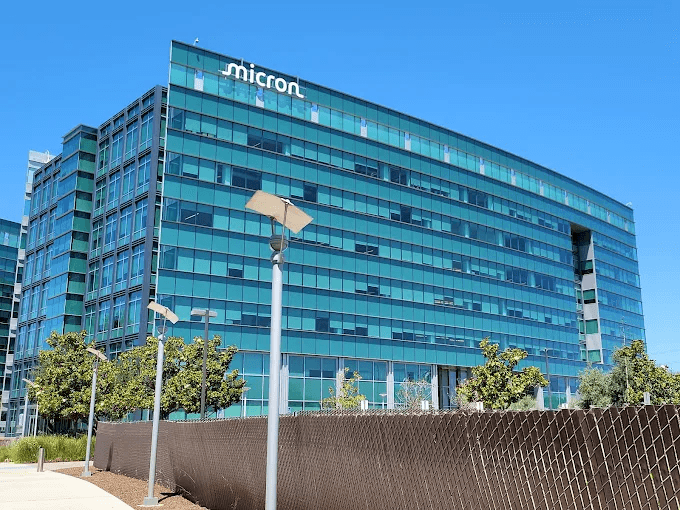
Micron Technology's stock is navigating choppy waters, experiencing a sharp downturn driven by a mix of global economic anxieties and the brewing storm of a labor dispute at industry giant Samsung Electronics. This week saw Micron's shares drop considerably, raising concerns across the tech sector about potential disruptions to the critical global memory supply.
On May 18, 2026, Micron's stock slid roughly 3% in early trading, marking its third consecutive down day. This followed a 6.6% plunge on the preceding Friday, May 15, and a further 7% drop earlier on Monday, May 18. This recent volatility stands in stark contrast to Micron’s impressive performance over the past year, where its shares had soared over 140% year-to-date and an astonishing sevenfold over the last 12 months, hitting an all-time high of $818.67 on May 11, 2026.
The primary driver of this market unease is the impending 18-day general strike by Samsung Electronics workers, slated to begin on May 21, 2026, and run through June 7, 2026. This significant industrial action could involve nearly 45,000 to 50,000 unionized Samsung workers, threatening to cripple production at one of the world's largest memory chip manufacturers.
The dispute centers on a contentious battle over wage increases and the allocation of performance-based bonuses. The Samsung Electronics Labor Union has laid out clear demands: they insist that the company dedicate 15% of its operating profit towards employee bonuses and eliminate existing bonus caps, formalizing these terms within employment contracts. This move aims to ensure a more equitable distribution of the company's substantial profits among its workforce.
Samsung management, however, has countered with a different proposal. They have offered to allocate 10% of operating profit as bonuses, sweetened with a one-off special compensation package. The company has publicly stated that the union's demands for a 15% allocation and uncapped bonuses would be "unsustainable in the long term," suggesting that such terms could jeopardize the company's financial stability and future growth.

Negotiations between Samsung Electronics' management, represented by chief negotiator Yeo Myung-koo, and union leaders, including Choi Seung-ho, have been described as ongoing and contentious. An initial round of government-mediated negotiations was held, indicating the high stakes and the difficulty of reaching a resolution without external intervention. The lack of a breakthrough has only amplified market jitters as the strike deadline approaches.
This labor standoff at Samsung has far-reaching implications beyond the company's immediate financials. As a dominant player in the global memory chip market, any significant disruption to Samsung's production capacity has the potential to create a ripple effect, tightening the global supply of memory components. This scarcity could impact numerous industries reliant on these chips, from smartphone manufacturers and computer makers to data centers and automotive companies, potentially leading to higher prices and production delays across the tech ecosystem.
For Micron Technology, a direct competitor to Samsung in the memory market, the situation presents a complex scenario. While a reduction in Samsung's supply could theoretically benefit Micron by increasing demand for its own products, the overall market uncertainty and the broader geopolitical demand concerns are currently outweighing any potential upside. Investors are clearly wary of the systemic risks associated with such a significant disruption in a foundational industry.
As the May 21st strike deadline looms, all eyes remain on the ongoing negotiations between Samsung management and its labor union. The outcome of these talks will not only determine the immediate future of tens of thousands of workers but also send shockwaves through the global technology supply chain, impacting market stability and the availability of essential components for consumers and businesses alike.