CultureResidents across the Gulf Coast and Southeast can breathe a collective sigh of relief. The National Oceanic and Atmospheric Administration (NOAA) has released its official forecast for the 2026 Atlantic hurricane season, projecting a significantly quieter stretch of weather ahead.
During a news conference held on Thursday, May 21, at the NOAA Aircraft Operations Center in Lakeland, Florida, the agency announced predictions of 8 to 14 named storms, with 3 to 6 escalating into hurricanes, and only 1 to 3 reaching major hurricane status (Category 3 or higher). This outlook indicates a 55% chance of a below-normal season, a 35% chance of a near-normal season, and a slim 10% chance of an above-normal season, with NOAA expressing 70% confidence in these ranges. The Atlantic hurricane season officially runs from June 1 to November 30.

The primary driver behind this anticipated calm is the expected development and intensification of El Niño conditions throughout the season. El Niño typically acts as a natural suppressor of tropical storm and hurricane development in the Atlantic basin by increasing vertical wind shear, which can tear apart forming storms before they gain strength. However, forecasters also noted competing factors such as slightly warmer-than-normal ocean temperatures in the Atlantic and weaker-than-average trade winds, elements that could otherwise fuel a more active year.
Several other meteorological organizations have also released their projections for 2026. In April, Colorado State University (CSU) issued a forecast predicting a below-average season with 13 named storms, six hurricanes, and two major hurricanes. North Carolina State University (NCSU) released its seasonal forecast on April 22, calling for an average season of 12–15 named storms, 6–9 hurricanes, and 2–3 major hurricanes. On the same day, Mexico's National Meteorological Service (SMN) predicted a below- to near-average season, with 11–15 named storms, 4–7 hurricanes, and 1–2 major hurricanes. Even earlier, in December 2025, Tropical Storm Risk (TSR) initially expected a near-normal season with 14 named storms, 7 hurricanes, and 3 major hurricanes. An average Atlantic hurricane season typically produces 14 named storms, seven hurricanes, and three major hurricanes.
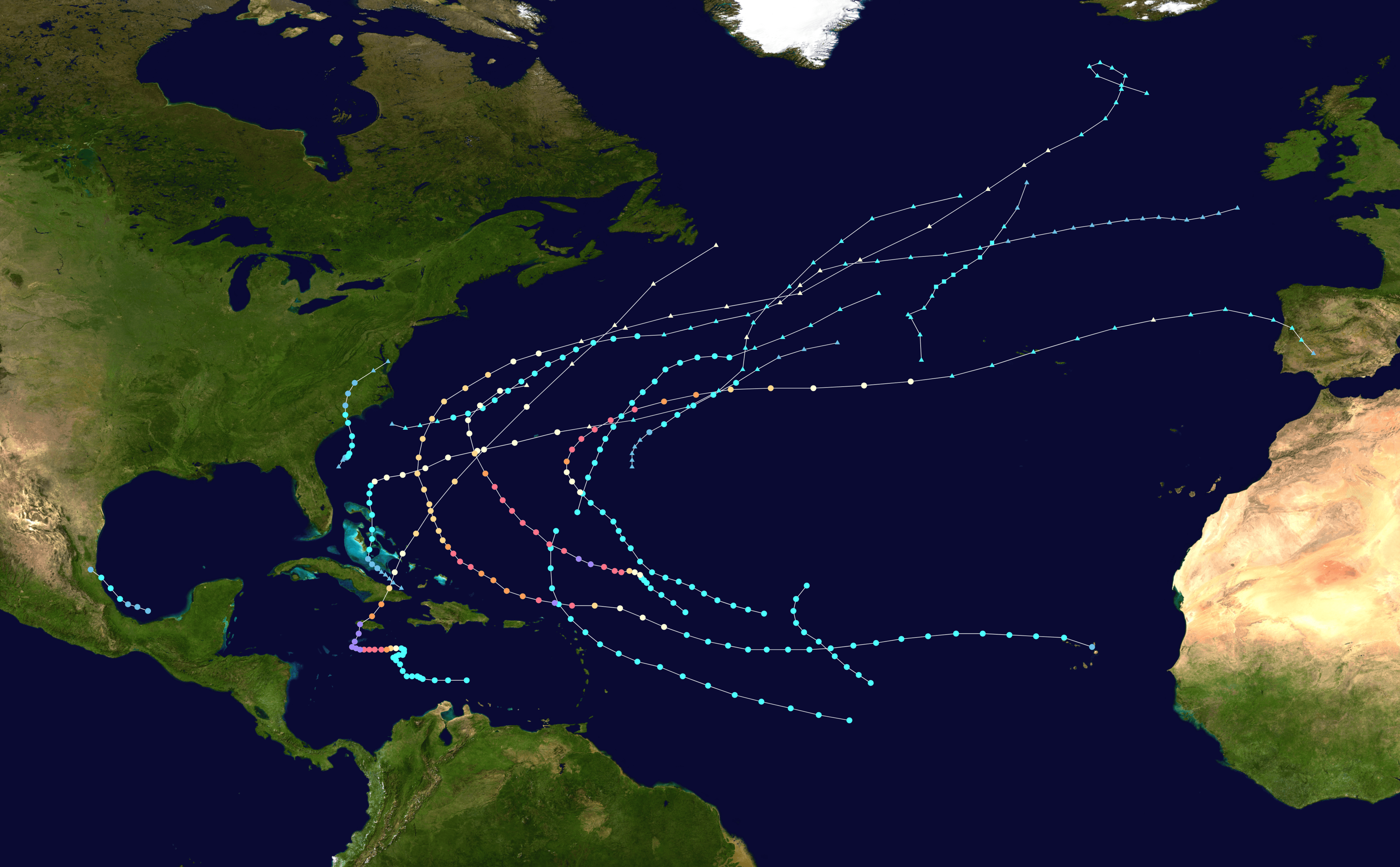
The historical impact of hurricanes on coastal regions underscores the significance of these forecasts. Even during quieter periods, a single powerful storm can cause widespread devastation. Hurricane Andrew in 1992, for example, occurred during a below-average hurricane season but proved to be one of the most destructive storms in U.S. history. The last time the Atlantic experienced a "true" below-average hurricane season was in 2015. While the 2025 season was described as quieter than average, with 13 named storms, five hurricanes, and four major hurricanes, it still saw significant activity. The 2024 hurricane season was notable for being "backloaded with storms after a period of calm," serving as a stark reminder that activity can intensify later in the season.

Despite the optimistic outlook, officials stressed the critical importance of preparedness. Ken Graham, Director of NOAA's National Weather Service, acknowledged the complexity of forecasting, stating, "Although El Niño's impact in the Atlantic Basin can often suppress hurricane development, there is still uncertainty in how each season will unfold." He strongly advised, "That is why it's essential to review your hurricane preparedness plan now. It only takes one storm to make for a very bad season." Graham also highlighted advancements, noting, "We've never been as prepared for hurricane season as we are now."
NOAA Administrator Dr. Neil Jacobs echoed this sentiment, remarking, "Even though we're expecting a below-average season in the Atlantic, it's very important to understand that it only takes one. We have had Category 5 storms make landfall in the past during below average seasons." Dr. Jacobs also pointed to NOAA's ongoing technological advancements, including the rapid integration of AI-based weather models, drones, and next-generation satellite data, which he stated "will deliver actionable science to safeguard the lives and livelihoods of the American people." Commerce Secretary Howard Lutnick added, "With the most advanced forecast modeling and hurricane tracking technologies, NOAA and the National Weather Service are prepared to deliver real-time storm forecasts and warnings." Rear Adm. Chad M. Cary and Matthew Rosencrans were also present at the press conference.
NOAA is also enhancing its forecasting capabilities by integrating data from small uncrewed aircraft systems (sUAS) into its Hurricane Analysis and Forecast System (HAFS). This development is expected to improve hurricane intensity forecast accuracy by 10%, a crucial step in providing more precise warnings to communities in the path of storms.
The prospect of a less active hurricane season is undoubtedly good news for millions, but the consistent message from experts remains clear: vigilance is key. Even a single storm can bring immense challenges, and a robust preparedness plan is the best defense.
NOAA plans to update its 2026 Atlantic seasonal outlook in early August, just ahead of the historical peak of the season, which typically extends from mid-September through October. Residents are urged to stay informed and continue monitoring official advisories as the season progresses.