 Culture
New Norovirus Strain Fuels Record Outbreaks Across U.S., Europe
Norovirus, the highly contagious stomach bug known for its rapid spread, is making headlines with a new, formidable variant. This latest strain, identified as GII.17, has largely circumvented existing immunity, triggering a wave of outbreaks that have reached record levels across the United States and parts of Europe.
The situation marks a significant shift from typical norovirus activity. Reports indicate that GII.17 is now responsible for roughly 75% of current outbreaks, defying the usual seasonal patterns and extending its reach well into the spring months. Public health data shows this variant began to gain traction in April 2024, with increasing detections noted first in the U.S. and then across various European countries.
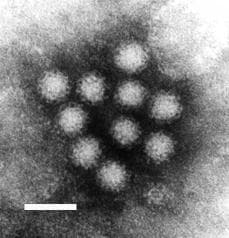
The 2023-2024 season saw GII.17 account for 34.3% of all outbreaks, notably surpassing the long-dominant GII.4 strain, which was responsible for 27.7%. The new strain's influence continued to grow, with GII.17 outbreaks consistently outnumbering GII.4 from May 2024 through March 2025. The 2024-2025 norovirus season kicked off earlier than usual in October 2024, a change attributed to the emergence and rapid spread of the GII.17 variant.
The United States experienced a record wave of illness during the 2024-2025 season. A staggering 1,078 norovirus outbreaks were reported between August 2024 and mid-January 2025, nearly doubling the 557 outbreaks reported during the same period the previous year. Late 2024 saw the U.S. register more suspected norovirus outbreaks in a single week than in any week over the preceding decade. Similarly, England reported over 9,000 lab-confirmed norovirus cases by February 2025, a figure that more than doubled the five-year seasonal average.
By December 2025, norovirus cases were surging ahead of schedule in the U.S., with approximately 13% of tests returning positive during the week ending November 15, a significant jump from three months prior. Wastewater surveillance in L.A. County indicated rising norovirus concentrations, mirroring a national trend where wastewater concentrations had increased by 69% since October 2025. The 2025-2026 season also began with an early rise in activity during the fall, peaking in early February 2026 with 72 outbreaks reported in states participating in the NoroSTAT surveillance system during the week of February 6, 2026. While some specific reports for the 2025-2026 season initially showed GII.4 as predominant in certain periods, the most recent data as of May 29, 2026, confirms GII.17 is fueling the majority of current outbreaks, accounting for approximately 75% during the most recent season.
