 Culture
Retirement Redefined: Seniors Head Back to Work in 2026
The golden years of retirement are looking a lot different for many older Americans in 2026. What was once seen as a time of leisure and optional work is now a period where financial realities are forcing a significant number of seniors to reconsider their plans, with many returning to part-time jobs or side hustles.
This shift isn't happening in a vacuum. A confluence of economic pressures is rewriting the retirement playbook. Persistent rising living costs, volatile financial markets, and increased longevity are all contributing factors, challenging the financial security of individuals who had anticipated a full exit from the labor force.
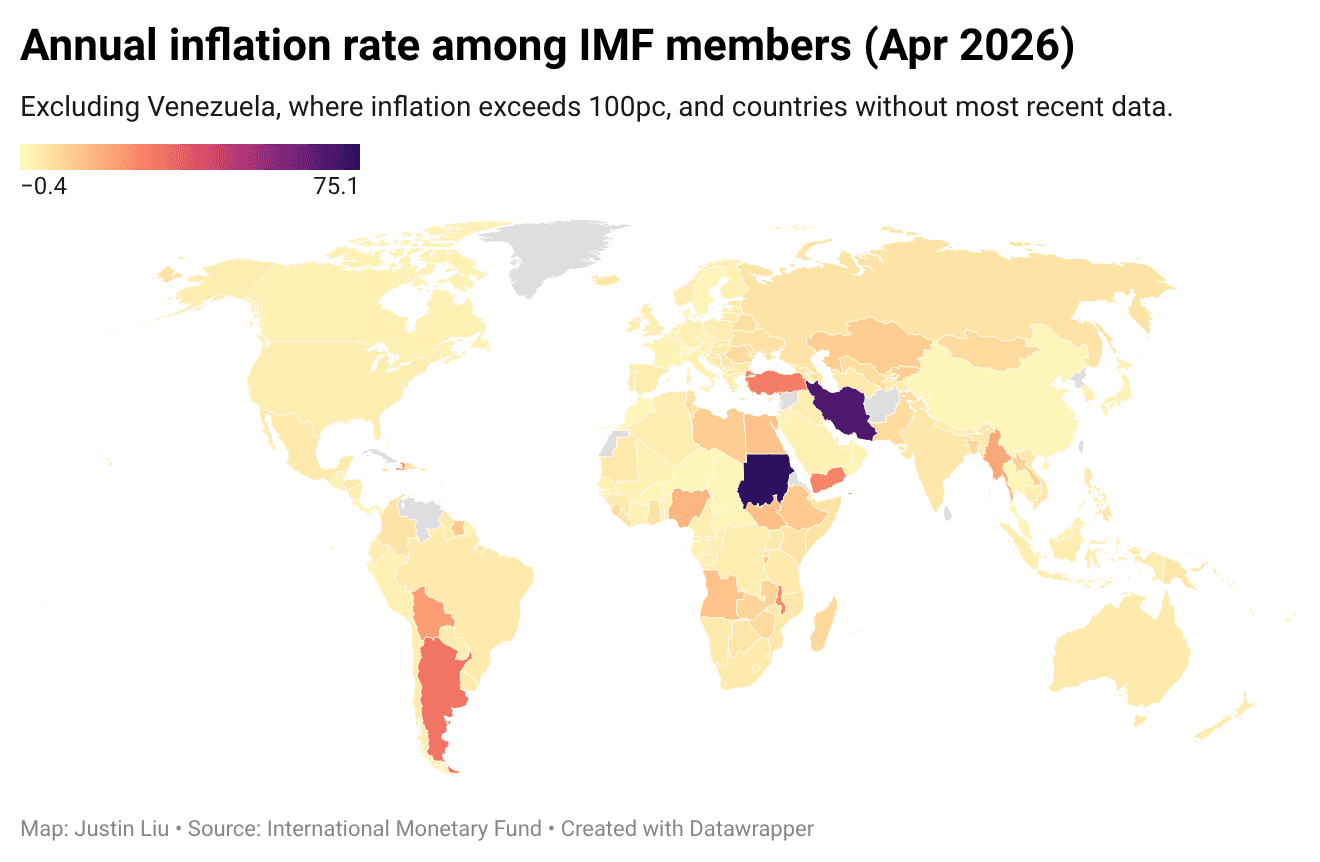
Inflation remains a top concern, chipping away at fixed incomes and savings. Public reports indicate that the Consumer Price Index saw a 3.8% rise in April 2026 compared to the previous year, marking the fastest pace in nearly three years. This inflationary surge is particularly impactful when considering the 2026 cost-of-living adjustment (COLA) for Social Security, which was set at 2.8%. This means that benefits have effectively lost purchasing power, leaving retirees in a tougher spot.
Deb Boyden, head of U.S. defined contribution at Schroders, an investment firm, highlighted the severity of the situation. "Retirees are fighting the affordability crisis with a fixed pool of assets and no second chances," Boyden stated. A survey conducted by Schroders in May 2026 underscored this anxiety, revealing that a staggering 90% of retirees expressed concern about inflation eroding the value of their assets.
Beyond inflation, healthcare costs present another major hurdle. The same Schroders survey found that 87% of retirees are worried about higher-than-expected medical expenses. Reports indicate that retirees are spending an average of 16% of their monthly income on healthcare, with many expressing disappointment that Medicare covers less than they had anticipated. The specter of a major market downturn significantly reducing assets also looms large, concerning 81% of retirees.

Fear of outliving retirement savings is also a prevalent sentiment, shared by 68% of retirees. A MetLife study from February 2026 painted a stark picture, showing that half of retirees (51%) with remaining defined contribution plan money now worry about running out of funds. This represents a substantial increase from just 30% less than a decade prior, illustrating the accelerating nature of these financial anxieties.
Roberta Rafaloff, vice president and head of institutional income annuities at MetLife, commented on the broader implications of these trends. "Economic volatility, rising costs and increasing longevity are reshaping the retirement landscape," Rafaloff noted. She added that "Even diligent savers are finding their retirement outlook disrupted," suggesting that careful planning alone is no longer a guaranteed shield against these pressures.
The direct consequence of these financial strains is an observable increase in seniors either returning to or delaying their departure from the workforce. A December 2025 survey commissioned by ResumeBuilder.com indicated that nearly 1 in 8 seniors over the age of 65 had already gone back to work or planned to do so in 2026. Furthermore, 16% reported that they had never retired at all, pointing to a continuous presence in the labor force for a notable segment of older Americans.
Among those making the decision to return to work, the reasons are clear. A significant 54% cited the high cost of living as a primary motivator, though some also mentioned enjoying work. Financial insecurity played a crucial role for 37%, who stated they had not saved enough for retirement. Carly Roszkowski, Vice President of Financial Resilience Programming at AARP, articulated this reality in February 2026, stating, "Basic expenses are the number one reason older adults continue to work or job-hunt." Roszkowski further predicted, "With the cost of living still high and many people worried that they don't have enough saved for retirement, the trend of older adults working longer will likely continue."
An Indeed Flex survey from March 2026 reinforced these findings, showing that nearly one in three retirees (30%) are either currently working or open to temporary or flexible jobs. The primary drivers for their return were consistent: 63% pointed to the increased cost of living, while 32% cited insufficient savings. Novo Constare, CEO of Indeed Flex, observed that "Retirement today is far more dynamic than in previous generations," noting that many retirees are now actively seeking "flexible opportunities that provide supplemental income, social connection and a renewed sense of purpose."
While returning to work offers much-needed additional income and can ease financial stress, it also comes with potential financial implications that retirees must navigate. For individuals who have not yet reached their full retirement age (FRA), additional earned income can affect their Social Security benefits. In 2026, if a person is under their FRA for the entire year, $1 is deducted from their benefits for every $2 earned above an annual limit of $24,480. In the year an individual reaches their FRA, a different limit applies, with $1 deducted for every $3 earned above $65,160 until the month they attain their FRA. Once full retirement age is reached, there is no limit on how much can be earned without impacting Social Security benefits.
Working in retirement can also lead to increased Medicare premiums, specifically an income-related monthly adjustment amount (IRMAA), which is calculated based on modified adjusted gross income from two years prior. Furthermore, the additional income can increase a retiree's overall tax liability, potentially making up to 85% of their Social Security benefits taxable if their combined income surpasses certain thresholds.
Legislative efforts have been made to address some of these challenges, including the Setting Every Community Up for Retirement Enhancement (SECURE) Act of 2019 and the SECURE 2.0 Act of 2022. These acts introduced provisions such as emergency withdrawals and pension-linked emergency savings accounts. Congress is also reportedly working on legislation to allow 403(b) plans to invest in collective investment trusts, aiming to provide more investment parity with 401(k) plans. Despite these measures, organizations like the Insured Retirement Institute (IRI) continue to advocate for policies designed to bolster retirement security, including promoting guaranteed lifetime income solutions and expanding opportunities for saving. The Brookings Institution's Retirement Security Project also contributes to this goal through research and analysis. The shifting landscape of retirement demands ongoing attention, as more older Americans find themselves navigating a new reality where working longer is becoming less of an option and more of a necessity.