Home
Explore
Notifs
Profile

Black-owned · Built for the global diaspora · Curated pins from Black and melanated creators across hair, style, beauty, home, and art.

Formerly Melaninterest.com

m
melanin
AboutHelpTermsPrivacyCommunity GuidelinesCreators

© 2026 Melanin. All rights reserved.

Mmelanin
HomeExploreCreatorsNewsCreate
Ctrl+K
Log inSign up
Mmelanin
HomeExploreCreatorsNewsCreate
Ctrl+K
Log inSign up
Soaring Gas Prices Crush American Savings Amidst Global Tensions — Melanin News | Melanin
Mmelanin
HomeExploreCreatorsNewsCreate
Ctrl+K
Log inSign up
All news
Soaring Gas Prices Crush American Savings Amidst Global TensionsCulture

Soaring Gas Prices Crush American Savings Amidst Global Tensions

1w ago

The cost of filling up has become a major crisis for families across the nation. Regular gasoline, which sat at $3.30 per gallon in April 2025, skyrocketed to $4.24 a year later, marking a staggering 28% increase. This dramatic hike is not just a minor inconvenience; it is actively eroding the emergency savings of millions of Americans already struggling with rising costs for rent, groceries, and childcare.

The primary driver behind this sudden and sharp increase in fuel prices is the ongoing U.S.-Iran conflict, which sparked in late February 2026. This geopolitical event has severely disrupted global oil supplies, particularly those flowing through the crucial Strait of Hormuz. Reports indicate a substantial increase in global oil prices, with West Texas Intermediate (WTI) crude oil, a key U.S. benchmark, soaring 53.2% from $67.02 per barrel on February 27, 2026, to $102.68 per barrel by May 18. Brent crude also saw a significant jump, hovering around $110 per barrel and even surpassing $120 at one point, a stark contrast to the $72 per barrel it commanded before the conflict began. This unforeseen crisis completely reversed earlier predictions from the U.S. Energy Information Administration (EIA), which had, in January 2025, anticipated a decrease in U.S. retail gasoline prices for both 2025 and 2026.
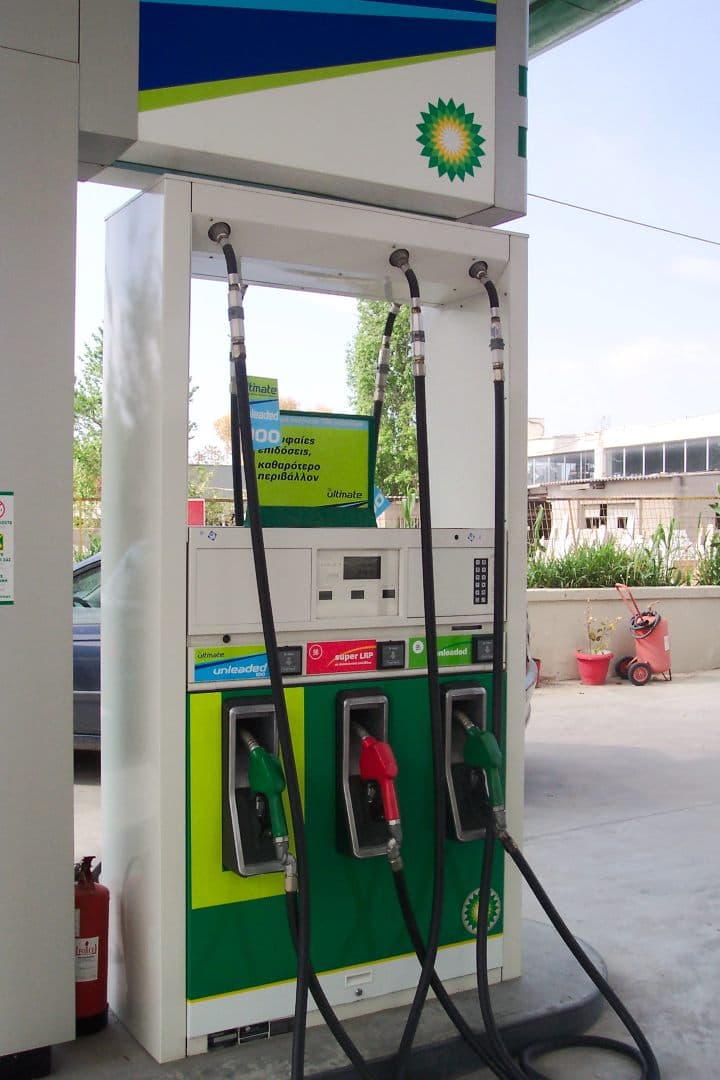
Gasoline pump
Gasoline pump Source

The impact on American emergency savings has been profound and immediate. Data from SecureSave, a provider of employer-sponsored emergency savings accounts, revealed that by the end of March 2026, nearly 12% of all employee withdrawals were specifically to cover transportation expenses. This figure represents a roughly 35% year-over-year increase compared to the same period in 2025. Devin Miller, co-founder and CEO of SecureSave, described American households as being in a “precarious” position, where even minor everyday cost disruptions can completely unravel a carefully planned budget. Further underscoring this financial strain, the national personal savings rate plummeted to a mere 3.6% in March 2026, according to the Bureau of Economic Analysis. This is significantly below the historical average of 8.4% that dates back to 1959. Economists at the Stanford Institute for Economic Policy Research estimated that the war-driven oil price shock would cost the average U.S. household approximately $857 more for gasoline over the remainder of the year.

Consumer sentiment has also taken a severe hit as these rising costs continue to bite. The University of Michigan's Consumer Sentiment Index recorded its third consecutive monthly decline, reaching a record low of 44.8 in May 2026. This marks a significant drop from 49.8 in April and 52.2 in May 2025. This downturn was largely driven by anxieties over supply disruptions in the Strait of Hormuz and growing fears that inflation, initially concentrated in fuel, would spread across the economy. Joanne Hsu, an economist and director of the University of Michigan's Surveys of Consumers, noted that earlier in the year, consumers might have been uncertain about the duration of the Iran conflict. However, three months into the conflict, consumers appear increasingly worried that supply disruptions will not be resolved quickly. She also highlighted that 57% of consumers spontaneously mentioned high prices eroding their personal finances in May 2026, an increase from 50% the previous month. Lower-income consumers and those without college degrees experienced particularly sharp declines in personal finances and overall sentiment, as these groups are more vulnerable to increases in the cost of gas and other essential goods.

The surge in gas prices has directly contributed to broader inflation concerns across the economy. The Labor Department's consumer price index rose 3.8% from April 2025 to April 2026, with gasoline prices being a major factor in this increase. Wholesale inflation also saw a substantial rise, with producer prices climbing 6% from a year earlier in April, marking the steepest increase since December 2022, as the 10-week Iran conflict continued to push up energy prices. Karim Marshall, Director of Climate and Energy Policy at the Consumer Federation of America, commented that “Prices at the pump have increased dramatically, and consumers were just not ready for this.”

Strait of Hormuz
Strait of Hormuz Source

Public figures and organizations have reacted to the escalating situation, seeking ways to alleviate the pressure. President Donald Trump's administration has reportedly implemented several measures, including releasing 172 million barrels from the Strategic Petroleum Reserve in March, temporarily waiving the Jones Act, and lifting environmental rules to allow a higher ethanol gas blend during the summer months. However, reports indicate that the administration has utilized many of its available policy levers, with remaining options carrying potential economic and political risks. Treasury Secretary Scott Bessent, Chief of Staff Susie Wiles, and Vice President JD Vance reportedly attended a White House meeting with energy executives to address these pressing issues. President Trump has expressed support for a temporary suspension of the federal gas tax, an idea also supported by some members of Congress, though concerns exist about its effectiveness and potential impact on the federal budget. Former President Joe Biden had previously proposed a similar measure during a prior fuel price surge, but Congress did not act on it.

In response to the economic strain, the National Treasury Employees Union (NTEU), led by National President Doreen Greenwald, called on the Trump administration in May 2026 to provide assistance to federal workers. The NTEU urged the administration to reverse the effective elimination of telework for most federal employees and to authorize a mid-year increase to gas reimbursement rates for official travel. Greenwald argued that telework not only saves the government money but also reduces traffic congestion and helps ease fuel cost increases for everyone by lowering overall demand.

The rising gas prices are also having a tangible effect on Americans' travel plans. AAA projected that 45 million Americans would travel for Memorial Day in 2026, facing the highest gas prices since 2022. Patrick De Haan, a petroleum expert at GasBuddy, predicted that gas prices across the U.S. would average $4.80 a gallon, further signaling a challenging period for household budgets and summer travel alike.