 Culture
SpaceX Eyes Record-Breaking $75 Billion IPO on Nasdaq
Space Exploration Technologies Corp., widely known as SpaceX, is on the verge of a historic financial move. The rocket and satellite powerhouse, founded by Elon Musk, is preparing for an initial public offering (IPO) that could shatter records, aiming to raise a staggering $75 billion.
Reports indicate SpaceX is targeting June 12, 2026, for its first trading day on the Nasdaq under the ticker symbol SPCX. This massive raise is projected to value the company between $1.75 trillion and $2 trillion, a figure that would dwarf the previous IPO record set by Saudi Aramco in 2019, which brought in $29 billion. Such an event signals a watershed moment not just for the tech and finance worlds, but for the entire space industry.
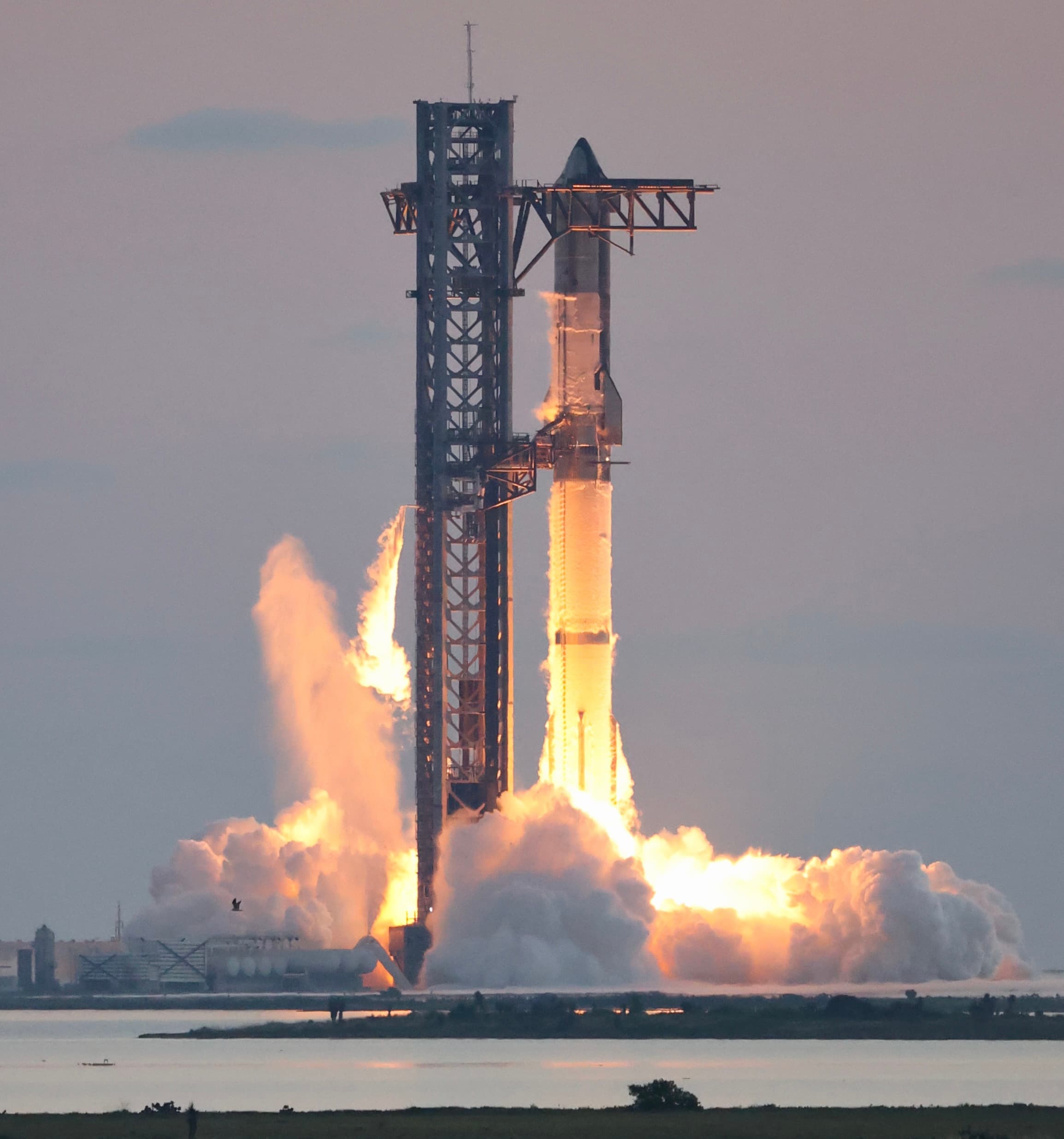
The journey to this monumental public listing began over two decades ago. Elon Musk founded SpaceX in 2002 with the ambitious vision of drastically cutting space transportation costs and ultimately enabling human colonization of Mars. He initially poured $100 million of his own money into the venture, deliberately avoiding early reliance on external venture capital. Over the years, SpaceX has grown exponentially, securing $11.9 billion across more than 30 funding rounds by March 2026. Early investors included tech giants like Google and Fidelity, who collectively invested $1 billion in 2015, valuing the company at around $10 billion at the time. By December 2025, a tender offer priced shares at approximately $421 each, pushing SpaceX's valuation to roughly $800 billion.
A significant strategic move preceded the IPO: the merger of Musk's artificial intelligence (AI) startup, xAI, with SpaceX in February 2026. This integration valued the combined entity at $1.25 trillion and is set to leverage AI infrastructure for SpaceX's Starlink operations, autonomous systems, and a planned Colossus data center. SpaceX officially kicked off its IPO process by confidentially submitting a draft registration statement to the U.S. Securities and Exchange Commission (SEC) on April 1, 2026, followed by a public filing of its S-1 registration statement on May 20, 2026, which confirmed its plans to list on Nasdaq under SPCX.
The timeline for the public debut is now in full swing. The institutional roadshow is expected to begin in late May, specifically slated for June 4. An official price range announcement for the shares is anticipated in the first week of June, with bookbuilding and allocation scheduled for June 8-10. The highly anticipated public trading date remains June 12, 2026. Notably, SpaceX has reportedly set aside 30% of the offering for retail investors, an allocation three times greater than typical for a mega-cap IPO. The company's first earnings call as a public entity is projected for September 2026, with lockup expiration expected around December 2026.
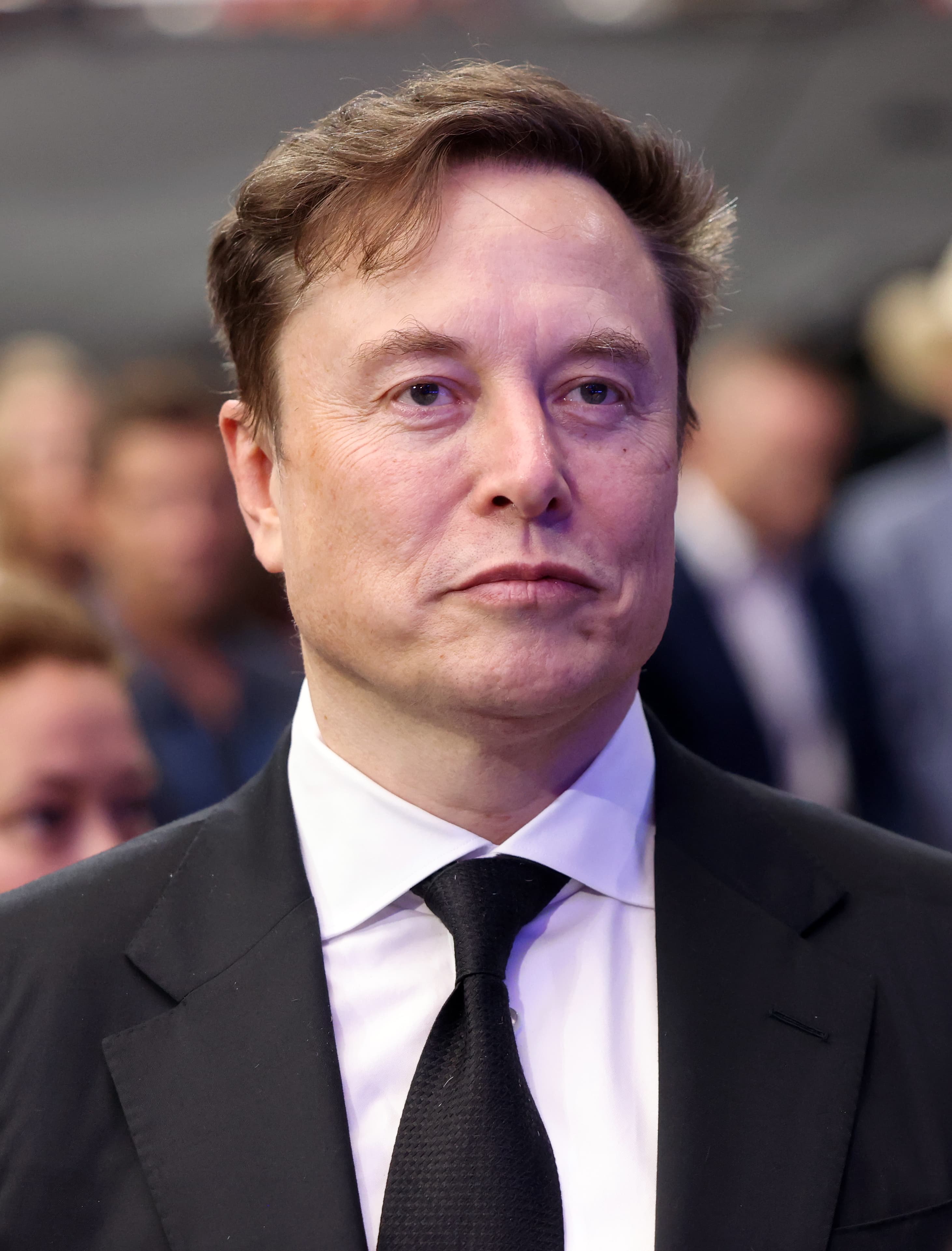
Elon Musk, who serves as founder, CEO, chairman, and CTO, maintains significant control over SpaceX, holding 42% equity and 85% voting power through a dual-class share structure. This arrangement ensures his continued leadership post-IPO and could dramatically boost his net worth, potentially positioning him to become the world's first trillionaire. Other key figures within the company are also poised for substantial financial gains, including President and COO Gwynne Shotwell and CFO Bret Johnsen, whose shares could exceed $1 billion in value. Longtime investor Antonio Gracias stands to benefit by up to $70 billion, while PayPal co-founder Luke Nosek's stake might be worth around $5 billion. Investment banking giant Goldman Sachs is leading the deal as the lead left underwriter, with a total of 21 banks involved in the offering.
The S-1 filing provided an unprecedented look into SpaceX's financial health. The company reported $18.7 billion in revenue for 2025, marking a 33% increase year-over-year. However, it also posted a GAAP net loss of $4.94 billion for the full year 2025, a stark contrast to the net income of approximately $791 million reported the previous year. This trend of losses accelerated in the first quarter of 2026, with a net loss of $4.28 billion.
SpaceX's business is divided into three main segments: launch services (including Falcon 9, Falcon Heavy, and Dragon capsules), Starlink (its satellite internet service), and SpaceXAI (the rebranded xAI, which encompasses the X social platform and the Grok AI model). Starlink is the primary engine of revenue, generating $11.4 billion in 2025, representing 61% of total revenue, and an operating profit of $4.4 billion. Its global subscriber base surpassed 10 million by February 2026. The significant net losses are attributed to heavy investments in Starship development, the ongoing expansion of the Starlink satellite constellation, and substantial AI infrastructure build-out. Capital expenditures surged to over $20 billion in 2025 and $10.1 billion in Q1 2026 alone, with $7.72 billion specifically dedicated to AI infrastructure.
Industry experts are watching closely. James Bruegger, chief investment officer at Seraphim VC, noted the historical significance, stating, "Now we're on the cusp of the biggest IPO in history being a space business." Peter Beck, CEO of Rocket Lab, views the IPO as "net positive" for the broader industry, suggesting it could provide a crucial comparative benchmark for other space companies. However, not all sentiment is entirely positive. Concerns have been raised regarding the high valuation and the historical performance of large IPOs. Dennis Dick, a proprietary trader at Triple D Trading, commented, "It's difficult to make money unless you're in the early stages of these things and buying these things before the IPO." University of Florida professor Jay Ritter, who specializes in IPO studies, observed that companies with particularly high valuations, especially when measured by price-to-sales, tend to perform the worst. At a $1.75 trillion valuation, SpaceX's price-to-sales ratio would be nearly 100, significantly higher than Nvidia's 24. Despite the losses, Gene Munster, managing partner at Deepwater Asset Management and a SpaceX investor, appeared less concerned, stating, "My initial take is [the] numbers are small. This just defines a growth company." He added, "What matters is, do they have pieces in place that investors believe can get them to that nirvana?"
This IPO is undeniably a transformative event for the space sector, pushing the boundaries of what a public company in this industry can achieve. The sheer scale and the company's ambitious goals, from global internet connectivity to interplanetary travel, position it as a unique investment. However, the high valuation and substantial current losses present a complex picture for potential investors. The upcoming public trading on Nasdaq will test whether the market is ready to fully embrace Musk's vision at such an unprecedented scale, with the company also facing a