Culture
US Hunger Crisis Worsens Beyond Pandemic Peak
The struggle to put food on the table is deepening across the United States. A recent survey from the Federal Reserve Bank of New York indicates that food insecurity is now more prevalent than it was at the height of the COVID-19 pandemic's acute crisis in 2020.
The findings, released Wednesday, May 27, 2026, paint a stark picture, particularly for financially vulnerable households. The New York Fed's Survey of Consumer Expectations, which included supplemental questions between October 2025 and February 2026, showed a significant decline in food access for many Americans.

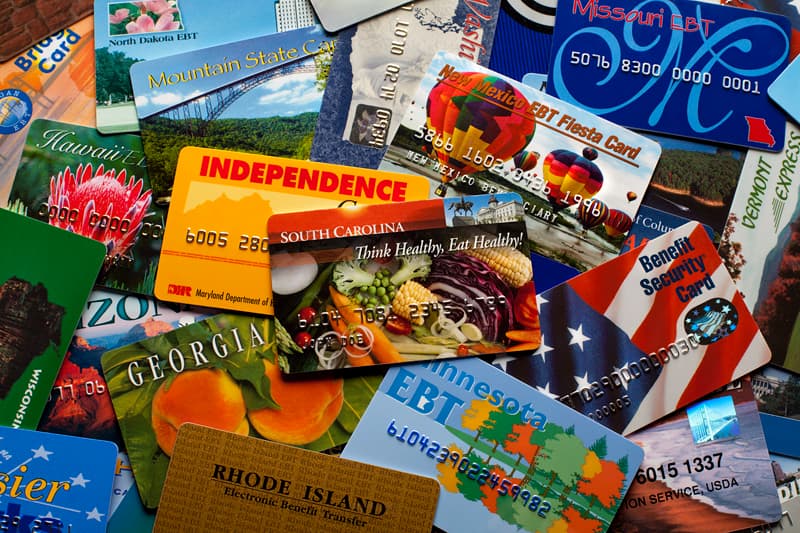
By February 2026, ten percent of households reported not having enough food, a figure that has more than doubled from the four percent reported in June 2020. The reliance on food donations also saw a notable increase, with nearly sixteen percent of households seeking such assistance in February 2026, up from approximately eleven percent six years prior. Furthermore, the proportion of households receiving Supplemental Nutrition Assistance Program (SNAP) benefits climbed to nearly eighteen percent from about eleven percent in 2020, even as eligibility requirements for the program have tightened in recent years.
The situation is considerably more severe for families earning less than $50,000 annually. Almost twenty percent of these households reported skipping meals or going without food, and over thirty-eight percent were receiving SNAP benefits, compared to roughly twenty-two percent in 2020. Over a third of all respondents indicated they had tapped into savings or emergency accounts to cover basic expenses.
Economists at the New York Fed characterized this rise in food insecurity as