 CultureCulture
The retail giant Walmart, a name synonymous with its "Every Day Low Prices" (EDLP) guarantee, is openly acknowledging that its foundational promise is under severe threat. Economic headwinds, marked by soaring fuel prices and relentless inflation, are making it increasingly difficult for the company to shield shoppers from rising costs.
This candid assessment came during Walmart's first-quarter earnings call for fiscal year 2027, held on Thursday, May 21, 2026, from its headquarters in Bentonville, Arkansas. Executive Vice President and Chief Financial Officer John David Rainey, alongside President and Chief Executive Officer John Furner, detailed the pressures impacting both the company’s operations and the wallets of everyday consumers.
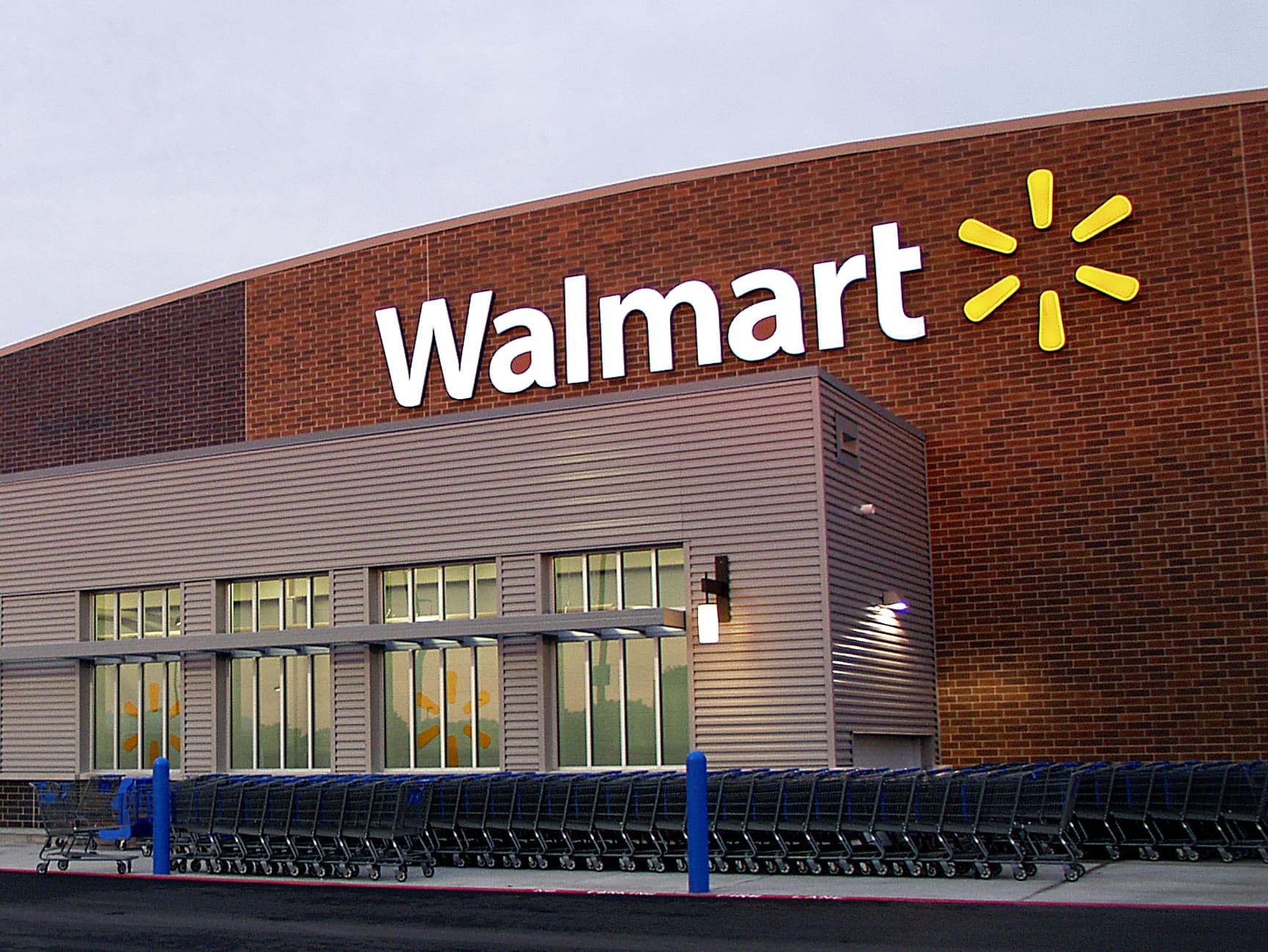
Rainey highlighted the growing strain on households, particularly those with lower incomes. He noted that while Walmart's "value message is still resonating with customers," the impact of "higher fuel prices put pressure on household budgets." A telling sign of this consumer stress was observed at Walmart's U.S. fuel stations, where the average number of gallons purchased by customers fell below 10 for the first time since 2022. Rainey explicitly called this a clear "indication of stress," suggesting shoppers are managing cash flow tightly and buying only immediate necessities.
The financial burden isn't just on consumers. Walmart itself absorbed an estimated $175 million in higher-than-planned fuel costs within its global distribution and fulfillment operations during the first quarter. This significant expense negatively impacted the company's operating income growth by about 250 basis points. Despite this, Walmart made a strategic decision to absorb these costs rather than fully pass them on to customers, expanding its discount programs to include approximately 7,200 active rollbacks across its product assortment.
John David Rainey, who took on the role of Executive Vice President and Chief Financial Officer at Walmart in May 2022, brings extensive experience from major corporations. Before joining Walmart, he served as CFO and Executive Vice President of Global Customer Operations at PayPal from January 2015 to May 2022. His career also includes an 18-year tenure with United and Continental Airlines, where he eventually became Executive Vice President and CFO at United Airlines. Rainey began his professional journey at Ernst & Young LLP and holds both a BBA and MBA from Baylor University. He currently serves on the board of directors for PhonePe and previously for Nasdaq.

The current economic climate poses a formidable challenge to Walmart's long-standing EDLP strategy. Inflation in April reached 3.8%, marking the highest rate in three years, and for the first time since 2023, prices have outpaced wage growth. Energy prices surged by 3.8% in April and were up a striking 17.9% year-over-year. Gasoline prices alone increased 5.4% in April, showing a 28.4% rise from the previous year. These escalating costs disproportionately affect lower-income Americans, who dedicate a larger portion of their income to essential needs like food and rent, leaving less room for savings or discretionary spending.
Rainey warned that if the "current elevated cost environment persists, we'd expect somewhat higher retail price inflation in Q2 and the second half of the year." He further elaborated that food prices could also face pressure, as fuel costs are deeply intertwined with significant parts of the food supply chain, including fertilizer, which is itself impacted by global events such as movements in the Strait of Hormuz.
John Furner, President and CEO of Walmart U.S., echoed the concerns, stating, "The consumer, especially here in the U.S., they're telling us they're feeling some pressure and they're looking to Walmart for value." Furner reaffirmed the company's unwavering commitment to its core strategy: "We're always focused on providing low prices for customers. EDLP is core to who we are." He added, "We have to earn their business every day, and in a period like this, we'll continue to focus on value and ensure that we have the best value. And we are proud of our price gaps." The company has been actively extending price rollbacks that began in the latter half of the previous year.
Despite these significant pressures, Walmart did report strong top-line revenue figures for the first quarter of fiscal year 2027. Total revenue rose 7.3% to $177.8 billion, though this figure fell slightly short of analyst expectations. Consolidated constant-currency sales grew by nearly 6%, exceeding the top end of their guidance. The company also saw substantial growth in its e-commerce sales, which increased by 26% globally, significantly driven by store-fulfilled pickup and delivery options. Walmart’s global advertising business also experienced a robust 37% growth, demonstrating the importance of diversified revenue streams and an omnichannel model in navigating a challenging economic environment.
In a previous interview, Rainey indicated that Walmart has the "ability to navigate this environment of higher fuel prices pretty well," noting that higher tax returns had offered some relief in the past. However, with those tax refunds largely no longer available, consumers are expected to feel more of the direct impact of fuel price pressures. Walmart's management remains focused on carefully monitoring these economic challenges, recognizing that continued investment in customers and price is crucial for maintaining market share and trust.
The company reiterated its full-year guidance for constant currency sales growth, anticipating an increase between 3.5% and 4.5%, with sales growth expected to be towards the upper end of this range. As the battle for consumer wallets intensifies amid a tough economy, Walmart's ability to uphold its signature promise will remain a key storyline.