 Culture
Walmart Stock Plummets Over 7% Despite Strong Revenue Growth
Walmart’s stock took a severe hit on Thursday, May 21, 2026, plummeting over 7% in a single day. The sharp decline, which some reports indicated reached as high as 7.27% to 8%, marked the retail giant’s worst single-day performance since November 2023. This dramatic drop resulted in a staggering loss of over $75 billion in market capitalization, effectively knocking Walmart out of the exclusive $1 trillion club it had only joined in February 2026.
The unexpected downturn followed the release of Walmart’s first-quarter fiscal 2027 earnings report, which concluded on April 30. On the surface, the numbers painted a picture of strong growth: the Bentonville, Arkansas-headquartered company reported first-quarter revenue of $177.8 billion, a solid 7.3% increase compared to the same period last year. U.S. comparable sales, a key metric tracking revenue from stores and websites open for at least 12 months, rose by 4.1%, slightly surpassing Wall Street’s projections. E-commerce sales also saw robust global growth of 26%, largely fueled by efficient store-fulfilled pickup and delivery services. Even high-margin advertising sales jumped by an impressive 37%. Adjusted earnings per share (EPS) for the quarter stood at $0.66, aligning with analysts’ estimates.
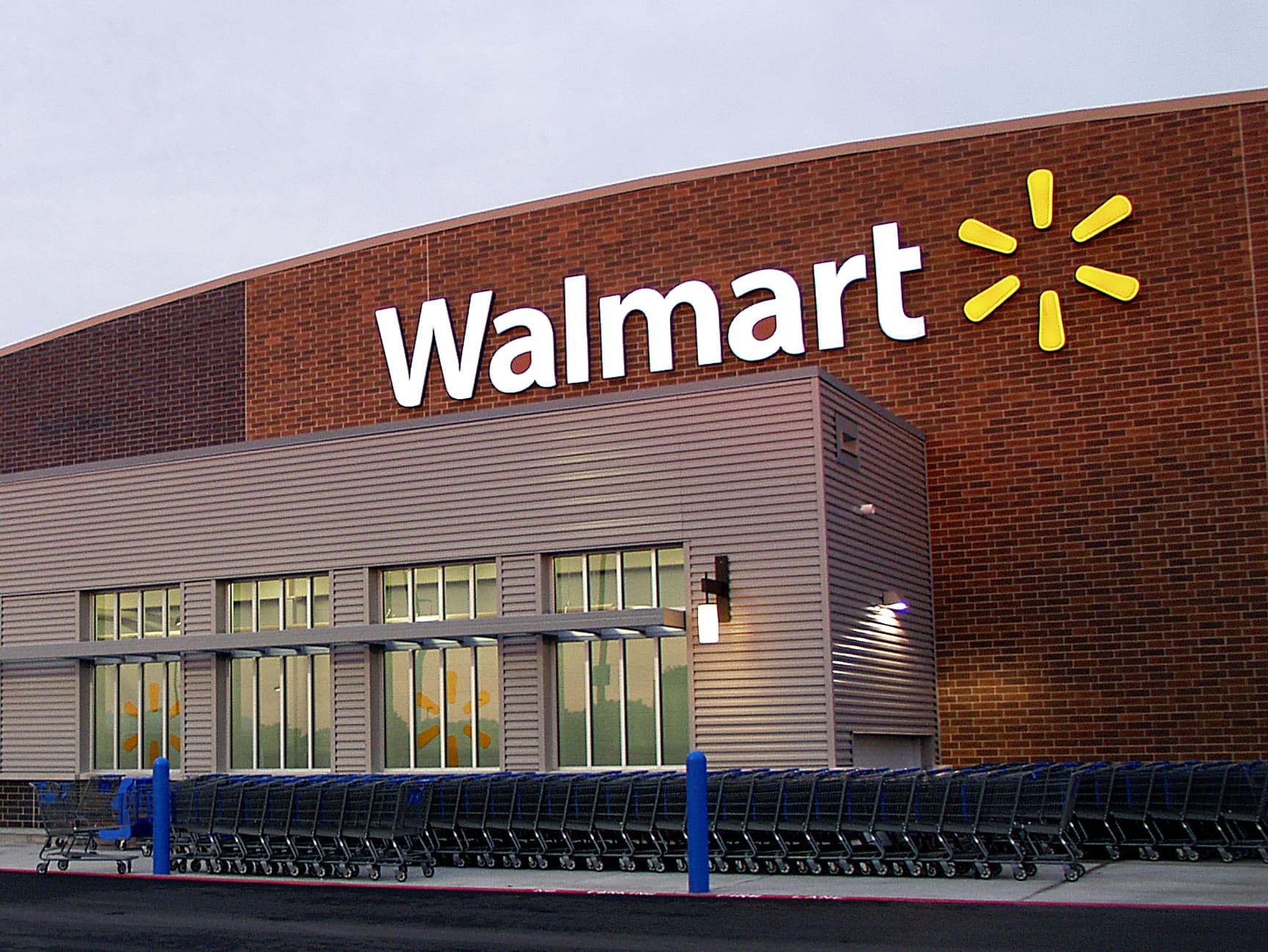
However, despite these positive top-line figures, the market reacted negatively, primarily due to management’s cautious outlook for the second quarter and the remainder of the fiscal year. Walmart maintained its full-year forecast for net sales growth of 4% to 5% and operating income growth of 7% to 10%. While these numbers represent growth, analysts reportedly viewed them as conservative and below the market’s higher expectations that had already been factored into Walmart’s stock price. For the upcoming second quarter, Walmart projected adjusted EPS of $0.72 to $0.74, falling short of the consensus estimate of $0.75.
Key executives weighed in on the company’s performance and the challenging economic landscape during the earnings call and subsequent discussions. John David Rainey, Walmart’s Chief Financial Officer, pointed to rising fuel costs and the diminishing effect of higher tax refunds as significant pressures on consumer budgets. He observed that high-income consumers are reportedly “spending with confidence in many categories,” while the low-income consumer is “more budget-conscious, trying to navigate certain financial distress.”
Rainey further elaborated that higher tax refunds likely provided a temporary boost to sales in the first quarter. However, as that “temporary boost dissipates,” the ongoing increase in gasoline prices could exert additional pressure on consumer spending in the quarters ahead. He cautioned that if the “current elevated cost environment persists, we’d expect somewhat higher retail price inflation in Q2 and the second half of the year.” Walmart reportedly absorbed approximately $175 million in higher-than-planned fuel costs during the quarter, which negatively impacted operating income by about 250 basis points. Rainey acknowledged the difficulty, stating, “It’s tough on very short notice to be able to navigate a cost headwind like that.” He also indicated that Walmart leadership is “keeping a close eye on” these economic headwinds. Public records show that John D. Rainey sold 20,000 shares of Walmart stock on March 2, 2026.

On a more optimistic note, John Furner, President and CEO of Walmart U.S., highlighted the company’s operational strengths. He affirmed that “Our results reflect our continued focus on delivering across the enterprise — better shopping experiences, a broader assortment, and faster delivery.” Furner also noted that “Transaction growth in the U.S. was the strongest we’ve seen in six quarters,” and that Walmart’s business is “performing how we expect it to,” with U.S. consumers consistently seeking value from the retailer. Doug McMillon, President and CEO of Walmart Inc., echoed this sentiment, stating, “Our strong Q1 performance sets a positive tone for the rest of the fiscal year,” and that the company is “committed to leveraging our e-commerce and marketplace strengths to drive growth.”
This stock movement is more than just financial news; it’s a reflection of broader economic anxieties impacting everyday Americans. Walmart, as one of the largest retailers globally, often serves as a bellwether for consumer health. The cautious outlook from its leadership suggests concerns about the sustained spending power of a significant portion of the population, particularly lower-income households who are feeling the pinch of inflation and higher fuel prices. The disparity in spending habits between different income brackets, as noted by Rainey, underscores a growing economic divide that major retailers must navigate.
The challenge for Walmart, and indeed the wider retail sector, will be to adapt to these shifting consumer behaviors and persistent cost pressures. As the “temporary boost” from tax refunds fades and fuel prices remain elevated, the ability of consumers to maintain their spending levels will be closely watched. Walmart’s stock decline, despite otherwise strong performance, signals that even retail giants are not immune to the cautious spending habits of an increasingly budget-conscious public.